Ireland is an emerging European volleyball country with a club-driven, community-based identity. The sport does not occupy the same national space as Gaelic games, rugby, football, or athletics, but volleyball in Ireland has become increasingly organized, visible, and ambitious. Its scene is built around clubs, schools, national leagues, participation growth, and a federation that has worked to give the sport a clearer profile within Irish sport. Ireland’s volleyball identity is not about being a continental power. It is about building a sustainable volleyball culture in a crowded sports market.
Volleyball Ireland positions itself around growth, community, and development, and that reflects the sport’s reality in the country. Volleyball must compete for athletes, facilities, school attention, and media space, so the sport’s infrastructure matters as much as any single national-team result. Clubs are central. They provide the training environment, competitive rhythm, and social base that allow players to stay involved beyond school or university. In a smaller volleyball market, clubs are not just teams; they are the backbone of the sport’s continuity.
Ireland’s European context is especially important. The country is part of the CEV small-country volleyball landscape, where competition is structured to give developing and smaller federations meaningful international opportunities. The Small Countries Association has long provided a framework for nations that need a competitive tier below Europe’s giants but above purely domestic play. That setting is valuable for Ireland because it gives national teams and age-group players a stage where progress can be measured in real volleyball terms: cleaner reception, better defensive structure, stronger serving, and improved attacking efficiency.
Indoor volleyball is the main competitive identity. Ireland’s club and national league environment provides the most visible structure for adult competition, while schools and universities help introduce new players to the sport. This matters because volleyball is technically demanding. Players who begin late can become useful athletes, but the best setters, liberos, and outside hitters usually need years of repetition. For Ireland, long-term development depends on exposing young players to the sport earlier, then keeping them connected to clubs that can develop skill rather than simply offering occasional recreation.
The Irish volleyball pathway has a distinct character because it often includes players from different sporting and cultural backgrounds. Some athletes come to volleyball through school or college. Others arrive through immigrant communities where volleyball already has a stronger tradition. That mix can be a strength. It gives Irish volleyball access to different playing styles, coaching influences, and competitive expectations. A club gym in Ireland can include players shaped by Eastern European, Mediterranean, Asian, or Latin American volleyball cultures alongside Irish-developed athletes learning the game locally.
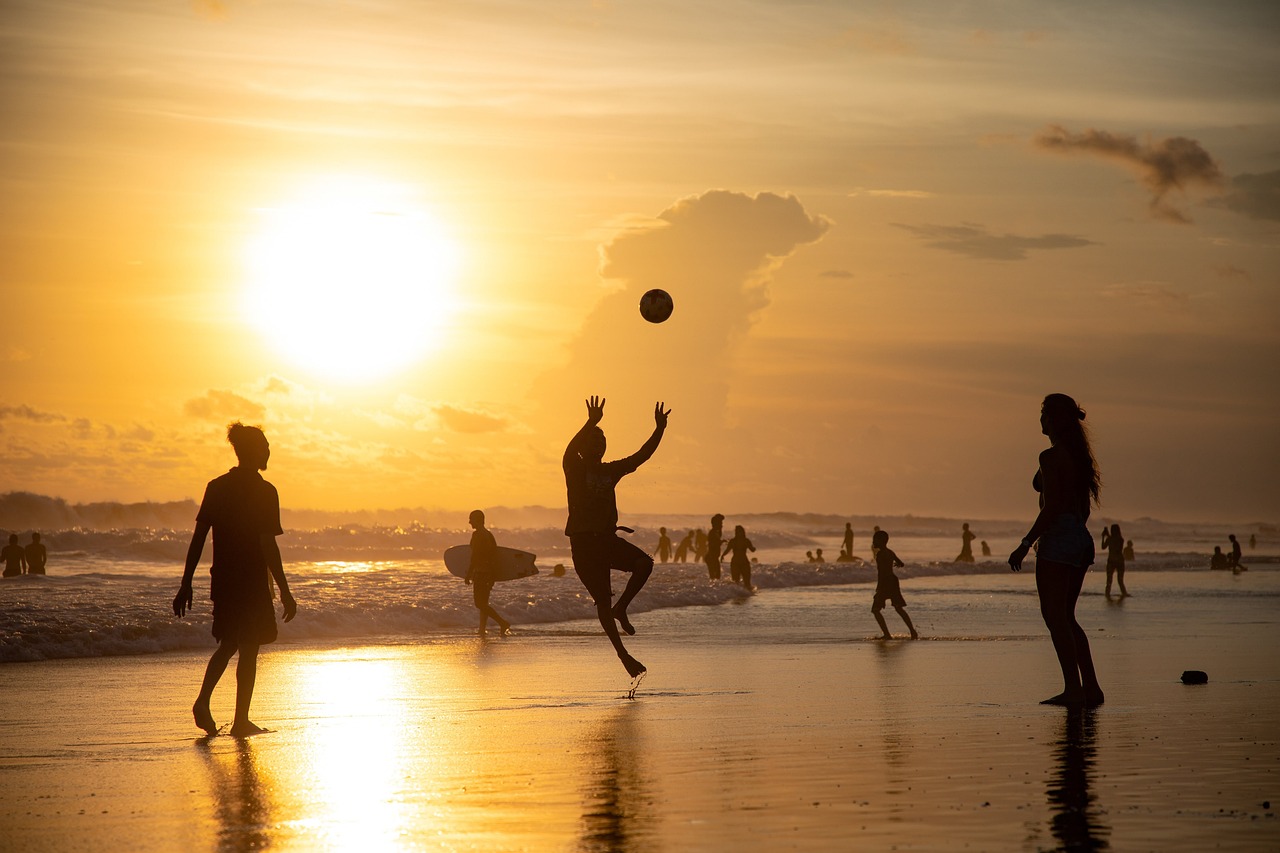
Beach volleyball is part of the broader picture, but Ireland’s climate and facility realities make indoor volleyball the more stable base. Outdoor volleyball can still play an important role in summer participation, recreational events, and ball-control development. Beach formats sharpen reading, communication, and all-around skill, especially for players who normally specialize indoors. Still, Ireland’s strongest volleyball identity remains gym-based: club matches, school development, national squads, and small-country European competition.
One of the more notable features of Irish volleyball’s recent direction is administrative ambition. Volleyball Ireland has promoted strategic growth and sustainability, including a public focus on environmental responsibility within sport. That does not directly win matches, but it does matter for a federation trying to raise its profile, attract partners, and present volleyball as a modern, inclusive sporting community.
Ireland’s future in volleyball will depend on whether participation growth can be converted into competitive depth. More players alone are not enough. The next steps are stronger youth structures, more trained coaches, better access to facilities, and more regular exposure to international standards. If Ireland can keep players in the sport from school into club and national-team environments, it can become a more consistent small-country competitor. The Irish volleyball story is still being built, but its direction is clear: organized growth, club strength, and a national scene trying to become more visible and more technically mature.