Liberia is an emerging volleyball country with a scene shaped less by international medals and more by participation, school competition, community sport, and the long-term challenge of building reliable volleyball infrastructure. In a country where football dominates the public sports conversation, volleyball occupies a smaller but still meaningful space: accessible, team-oriented, relatively low-cost, and well suited to schools, universities, community courts, and multi-sport gyms. Its identity is not that of a major African volleyball power, but of a West African program with room to grow if youth development, coaching, facilities, and federation activity continue to strengthen.
Liberia’s volleyball structure sits within the African volleyball system through the Liberia Volleyball Federation and the wider CAVB framework. That regional setting matters because West Africa offers both opportunity and difficulty. Countries such as Nigeria, Ghana, Côte d’Ivoire, Sierra Leone, Guinea, and The Gambia create a natural competitive neighborhood, but only the best-supported programs are able to sustain regular national-team activity, club competition, beach volleyball participation, and age-group development. For Liberia, the core issue is not whether volleyball has appeal. It does. The harder issue is whether the sport can build enough competitive depth to move from occasional participation into a more consistent national program.
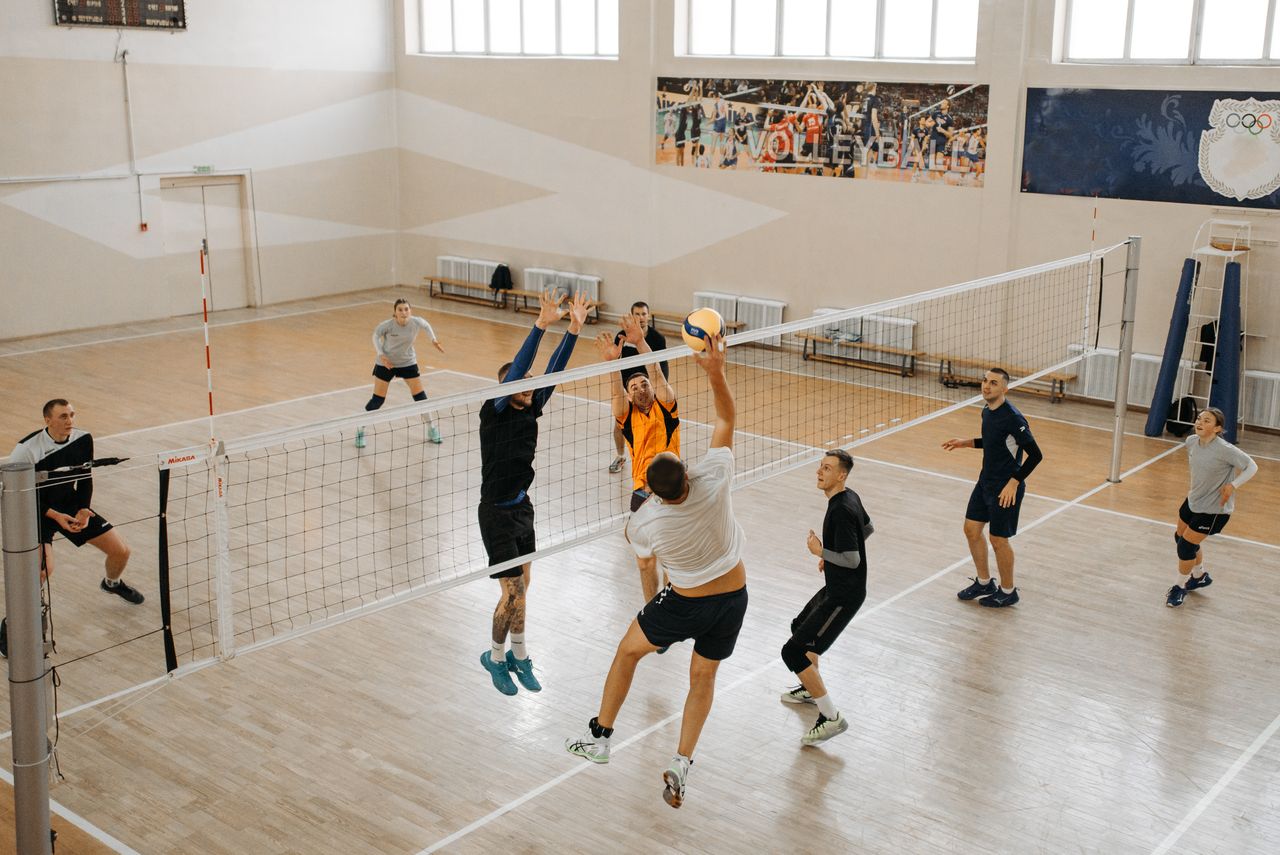
Indoor volleyball in Liberia is most naturally connected to schools, community clubs, and institutional sport. The country’s athletes have the physical tools that suit volleyball: quickness, jumping ability, coordination, and a strong team-sport background. What separates Liberia from stronger volleyball countries is the depth of coaching, structured competition, and regular match exposure. Volleyball development depends on repetition: thousands of serves, serve-receive touches, transition sequences, blocking reads, and setter-attacker timing. Without a dense club calendar or a well-funded national training system, young players often develop later and with less technical polish than athletes in countries with established volleyball pipelines.
Even so, Liberia has a logical pathway for growth. School volleyball can introduce the sport early, especially for girls and boys who may not have the same access to football pathways. University and community programs can keep players active into young adulthood. Local tournaments can create the competitive habits that matter in volleyball: disciplined rotations, controlled first contact, communication between liberos and outside hitters, and the ability to score under pressure. A country does not need a professional league to begin building volleyball culture. It needs regular play, serious coaching, and visible competitions that give players something to train toward.
Beach volleyball is one of Liberia’s most interesting long-term possibilities. The country’s Atlantic coastline gives it a natural outdoor identity, even if beach volleyball has not yet become a defining national sport. In volleyball terms, the beach game can be a development tool as much as a separate discipline. It sharpens ball control, serving, reading, defensive range, and all-around skill because players cannot hide in specialized roles. For a smaller volleyball system, beach volleyball can also offer a more realistic international route than full six-player indoor competition, especially if the federation can identify strong pairs and give them regular zonal competition.
Liberia’s volleyball future depends on turning participation into structure. The sport has room to grow in schools, universities, community recreation, and beach settings, but the next step is competitive organization: trained coaches, reliable tournaments, youth divisions, women’s development, and more exposure to regional opponents. Liberia does not need to copy the model of North African or European volleyball countries. Its best path is to build from the local court outward, using volleyball’s accessibility as its strength. If that foundation becomes more consistent, Liberia can become a more visible West African volleyball country, especially at the youth, community, and beach levels.