Saint Vincent and the Grenadines has a volleyball scene built around regional competition, national association structure, and a strong Eastern Caribbean pathway. It is not a large professional volleyball market, but it has a more serious competitive profile than its population size might suggest. The St. Vincent and the Grenadines Olympic Committee lists the St. Vincent and the Grenadines Volleyball Association as the national volleyball body, giving the sport a formal place inside the country’s organized sports system.
The country’s volleyball identity is especially connected to ECVA competition. Saint Vincent and the Grenadines has been active in Eastern Caribbean indoor and beach volleyball, and its men’s youth and underage teams have produced notable regional results. In 2023, Saint Vincent and the Grenadines won the ECVA U23 Men’s Volleyball Championship, defeating Saint Kitts and Nevis in a five-set final. The result placed the country clearly inside the competitive conversation for men’s volleyball in the Eastern Caribbean.
That indoor success is important because it shows that volleyball in Saint Vincent and the Grenadines is more than casual recreation. The country has the ability to organize, train, and send competitive teams into regional events. For young players, the pathway likely begins through schools, community sport, club activity, and national association programs. From there, stronger athletes can move into age-group teams, ECVA tournaments, and regional competition.
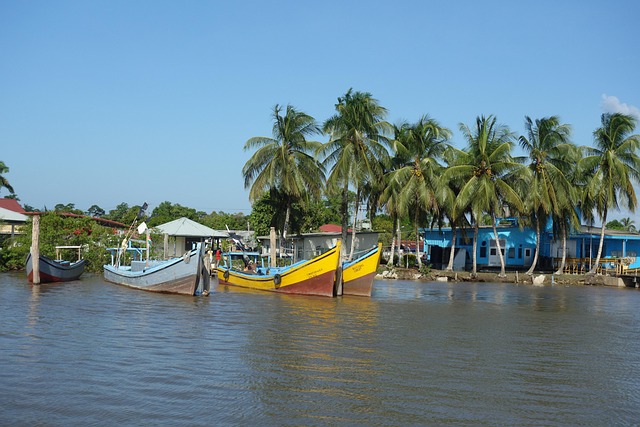
The structure of volleyball in Saint Vincent and the Grenadines has to work within the realities of a multi-island country. Facilities, coaching access, transportation, and regular competition can be more complicated than in larger markets. That makes local organization especially important. A strong volleyball association can connect schools, clubs, coaches, referees, and national teams into one development pipeline. Without that coordination, talented athletes can be isolated by geography or limited by the number of matches available to them.
Beach volleyball is also a natural part of the country’s volleyball landscape. The Grenadines give the country a strong coastal and outdoor identity, and beach volleyball fits both local recreation and regional competition. For casual players, the beach format is accessible and social. For competitive players, it is a separate discipline that rewards ball control, conditioning, serving strategy, and defensive intelligence. Saint Vincent and the Grenadines has also been represented in ECVA beach events, including youth and senior competitions, which gives players another route into regional volleyball.
For adults, volleyball can serve multiple roles. It can be competitive through clubs and association events, recreational through community games, and social through beach or informal play. In smaller national markets, adult participation is often critical because experienced players become coaches, organizers, referees, and mentors for younger athletes. That helps sustain the sport beyond short school seasons or individual tournament cycles.
The country’s best volleyball story is its ability to remain competitive inside the Eastern Caribbean framework. Saint Vincent and the Grenadines has enough structure to support national teams, enough outdoor geography to make beach volleyball relevant, and enough regional success to give young players something concrete to chase. Its future depends on deepening coaching, expanding youth participation, and keeping both indoor and beach volleyball connected to ECVA opportunities.