San Francisco’s volleyball identity is not built around one dominant image. It is not a single beach strip like Santa Monica, a college-town powerhouse, or a national-team capital. It is a hybrid volleyball city shaped by school gyms, university programs, junior clubs, adult competition, and the larger Northern California volleyball system. The city’s scene works because it sits inside one of the most active volleyball regions in the United States, with the Northern California Volleyball Association serving more than 25,000 registered members, 1,400 teams, and 400 clubs across Northern California and Northern Nevada.
That regional structure matters. San Francisco itself is dense, compact, and facility-constrained, so volleyball does not spread through the city in the same way it does in suburban club markets with large sports complexes and multi-court gyms. The sport instead lives through a layered ecosystem: college programs, high school teams, junior clubs, recreation leagues, beach and grass play, and a steady connection to the wider Bay Area. San Francisco players often develop locally, compete regionally, and measure themselves against clubs and programs from the East Bay, Peninsula, South Bay, Sacramento area, and Central Valley.
College Volleyball in the City
San Francisco’s college volleyball presence gives the city a more serious volleyball identity than a casual outsider might expect. The University of San Francisco competes at the NCAA Division I level, with women’s volleyball playing in the West Coast Conference, a league that has long included strong volleyball institutions from California and the Pacific Coast. San Francisco State adds an NCAA Division II presence, giving the city another competitive college platform and a different kind of recruiting and development environment.
Those programs do more than play matches. They help set a standard for the city’s volleyball culture. College volleyball gives local athletes a visible next level, brings trained coaches into the volleyball community, and connects San Francisco to the larger California recruiting map. For a young outside hitter, setter, libero, or middle blocker in the city, the college game is close enough to feel tangible. Even when elite recruits leave the city for powerhouse programs elsewhere, the presence of college volleyball keeps the sport connected to serious training, scouting, and long-term athletic ambition.
The city’s volleyball style is shaped by its geography. San Francisco is urban, expensive, and space-limited, so the game often requires commitment. Players work around gym time, travel across bridges, and compete in a region where the talent pool is broad. That produces a scene with a practical edge. Volleyball players in San Francisco tend to know that development is not only about athleticism. It is about consistency, ball control, gym access, coaching, and finding the right competitive level inside a crowded sports environment.
Junior Clubs and the Northern California Pipeline
San Francisco’s junior volleyball culture is strongest when viewed as part of the Bay Area pipeline. Local clubs such as San Francisco Juniors give girls youth volleyball a city-based pathway, while the broader NCVA structure connects those athletes to tournaments, power leagues, and regional competition. San Francisco Juniors describes itself as a nonprofit high-performance program for girls 18 and under, with teams beginning at 10-and-under and continuing through the 18-and-under age group.
That matters because junior volleyball is often the engine of serious volleyball growth. High school seasons create school pride and give players a first competitive identity, but club volleyball usually determines how far a player can go. Club training builds serve receive, defensive reading, faster tempo setting, attacking range, blocking footwork, and the ability to compete against stronger athletes outside a single school league. In San Francisco, the club pathway also teaches players how to operate in a broader region. A city athlete may train locally, play school volleyball in San Francisco, then face opponents from San Jose, Walnut Creek, Sacramento, Marin, Fresno, or Reno during the club season.
The Bay Area’s club density gives San Francisco players both opportunity and pressure. There are many teams, but also many levels. Some athletes are chasing college recruiting exposure, some are building toward varsity roles, and others are simply trying to become reliable six-rotation players. The strongest players usually learn quickly that volleyball in Northern California rewards all-around skill. A powerful arm is not enough. Passing, serving zones, reading tips, covering hitters, and staying organized in transition often separate good players from serious prospects.
Indoor First, But Not Indoor Only
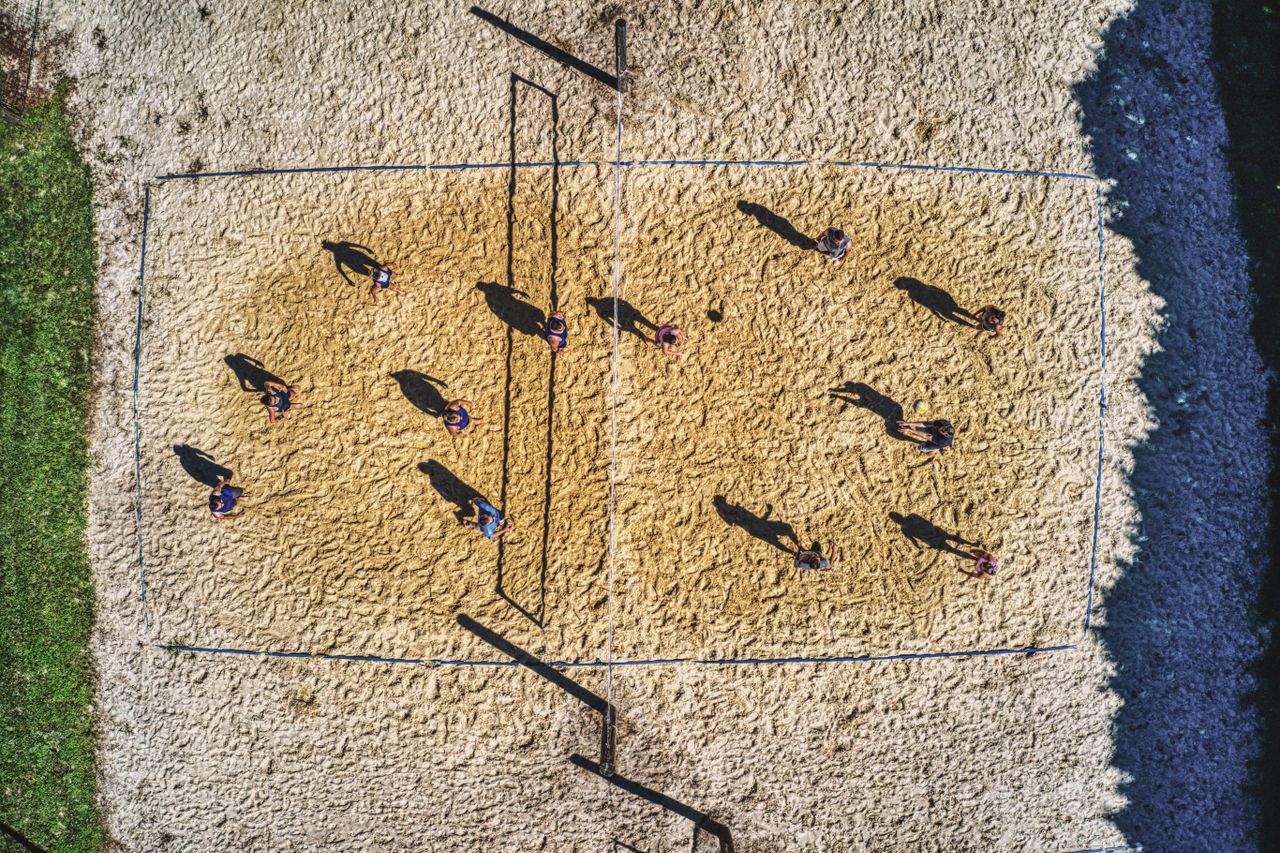
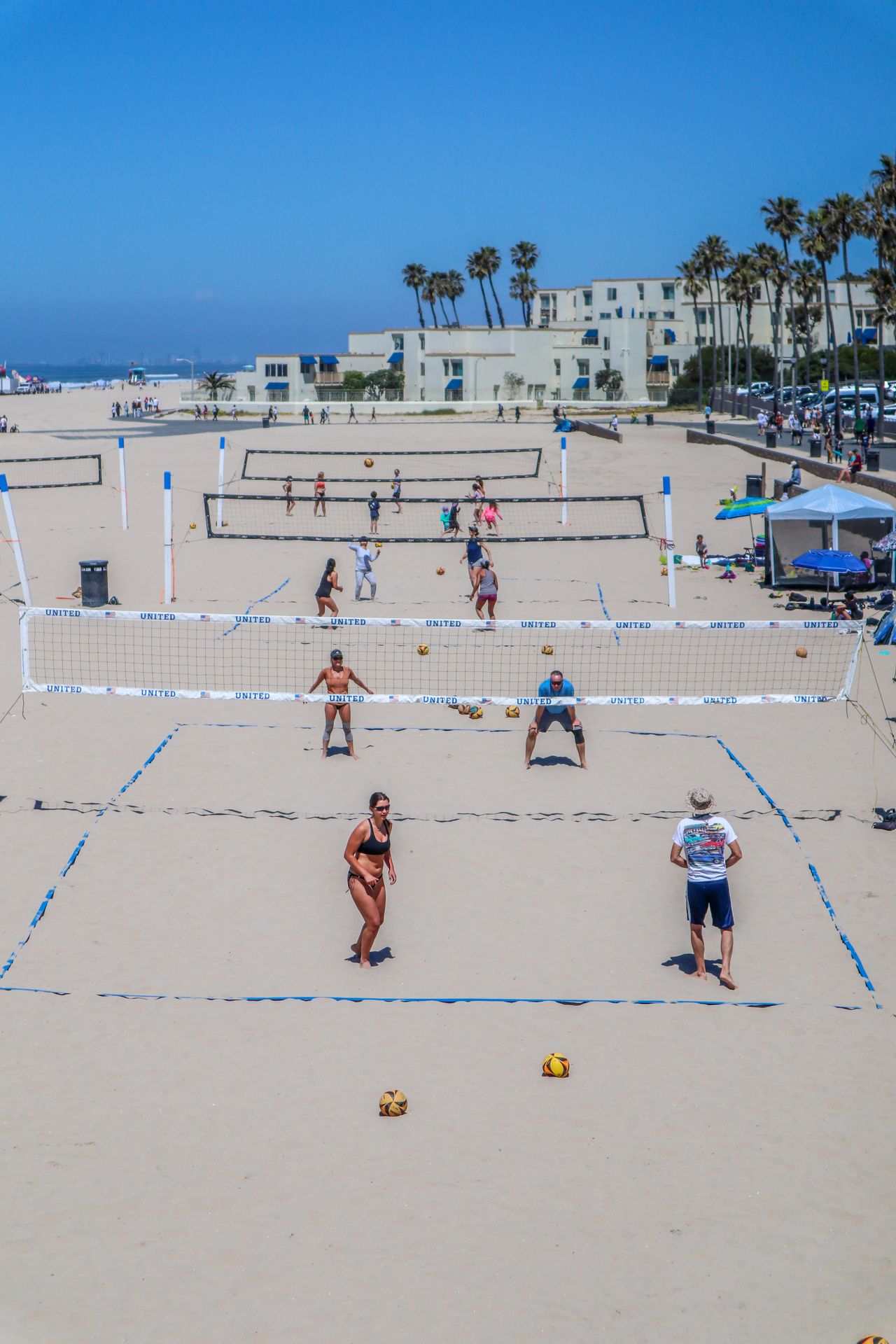
San Francisco is not a classic beach volleyball city in the Southern California sense. The city has coastline, sand, and outdoor volleyball, but weather, wind, and beach conditions create a different rhythm from Los Angeles County or the South Bay beaches. Volleyball on sand exists in San Francisco, but the city’s competitive identity is more balanced between indoor gyms and outdoor participation than built around a single beach culture.
That gives San Francisco a distinct place in California volleyball. In many parts of Southern California, beach and indoor volleyball constantly feed each other. In San Francisco, the relationship is more selective. Beach volleyball helps players develop touch, reading, court vision, and endurance, but the city’s strongest competitive structure still tends to run through indoor teams, school programs, university volleyball, and NCVA competition. The outdoor game adds personality; the indoor game provides most of the organized pathway.
This also affects the type of player San Francisco can produce. A player who grows up in the city may become comfortable in different volleyball settings: a school gym, a college arena, a club tournament hall, a city recreation league, a park game, or a windy sand court. That flexibility is useful in a sport where the best athletes often move between formats. Libero instincts sharpen outdoors. Setters learn creativity in less controlled environments. Hitters learn to manage imperfect sets. Middle blockers who spend time in doubles or grass settings often become more complete readers of the game.
The City’s Volleyball Personality
San Francisco volleyball has a community feel, but it is not casual. The city attracts serious adult players, former college athletes, young professionals, international residents, and lifelong Bay Area competitors. That mix gives the local volleyball culture an unusually broad range. A player can find recreational games, competitive adult leagues, school-based teams, elite club training, and college matches without leaving the broader city-region system.
The diversity of San Francisco also matters. Volleyball is a global sport, and the city’s population brings influences from countries where volleyball has a deep athletic identity: the Philippines, Brazil, Mexico, China, Japan, Korea, Italy, Poland, and many others. That does not automatically make the city a volleyball powerhouse, but it does give the sport a wider cultural base than it might have in a more narrowly defined market. In San Francisco, volleyball can be a school sport, a family sport, an immigrant community sport, a college sport, a beach sport, and an adult social sport at the same time.
The future of volleyball in San Francisco will depend on facilities, coaching, and regional access. The demand is there. The larger Northern California structure is strong. The city has college programs, youth clubs, and a deep adult participation base. The challenge is space. Volleyball needs courts, and San Francisco is a city where indoor space is always contested. If programs can keep finding gym time and connecting athletes to the broader Bay Area tournament structure, San Francisco will remain a serious volleyball city, not because it dominates one category, but because it touches nearly every part of the sport.