Idaho volleyball has a different kind of identity from the traditional volleyball powers. It is not defined by packed coastal beach courts or a single national dynasty. Idaho volleyball is built through school gyms, regional travel, junior clubs, college programs, and communities where multi-sport athletes often become serious volleyball players through repetition, coaching, and local competition.
The state’s volleyball identity is best understood as a school-and-club market with a growing competitive edge. Idaho has enough population growth, especially around the Treasure Valley, to support stronger volleyball infrastructure, but it still carries the character of a state where high school programs, college opportunities, and regional tournaments shape the sport more than professional teams or international visibility.
That makes Idaho volleyball practical, competitive, and locally rooted. It is a volleyball state where development matters.
A School-Gym Volleyball Culture
High school volleyball is the backbone of Idaho’s volleyball scene. Across the state, the sport fits naturally into the school sports calendar, especially for girls. In smaller communities, volleyball can be one of the most important fall sports, giving athletes a competitive outlet that combines athleticism, discipline, and team structure.
The high school game also reflects Idaho’s geography. Programs are spread across cities, towns, and rural areas, and travel is part of the competitive experience. Teams may not have the density of opponents found in Southern California or the Dallas suburbs, but they often develop toughness through long trips, tournament weekends, and matches where preparation matters.
In strong Idaho programs, the sport is usually built around serve receive, defensive organization, and reliable attacking. Because not every school has overwhelming size, teams often have to win through ball control and system play. A clean passing team with a steady setter and disciplined floor defense can go a long way. That gives Idaho volleyball a practical, well-coached feel.
Boise and the Treasure Valley as a Growth Center
The Treasure Valley is central to the modern direction of Idaho volleyball. Boise, Meridian, Nampa, Eagle, and the surrounding communities have seen major growth, and that growth has helped create more demand for youth sports, training, club volleyball, and competitive opportunities.
This matters because volleyball development depends heavily on density. Players need enough teammates, opponents, coaches, gyms, and tournaments to keep improving. As the Boise-area sports market expands, volleyball benefits from a larger pool of athletes and families who are willing to invest in club seasons, private training, camps, and travel competition.
The Boise area also gives Idaho volleyball a more connected regional identity. It can link players to competition in Utah, Washington, Oregon, Nevada, and Montana. That regional exposure is important for athletes who want to play beyond high school. Idaho is not isolated in the same way some smaller volleyball markets are, but its players still have to seek out strong competition beyond local schedules.
College Volleyball’s Role in the State
College volleyball gives Idaho players visible targets. Boise State, Idaho State, the University of Idaho, and other college programs in and around the region help form the upper layer of the state’s volleyball ecosystem. These programs matter not only because they compete, but because they show younger athletes what college volleyball looks like up close.
For many Idaho players, the college pathway may involve a range of levels: NCAA Division I, Division II, NAIA, junior college, or smaller regional programs. That variety is important. Volleyball recruiting is not only about the handful of athletes who reach the highest level. A healthy state volleyball scene gives many players a reason to keep developing, even if their path is not a national-power conference.
Idaho’s college programs also contribute to coaching knowledge. College matches expose local players and coaches to faster offenses, stronger serving, better blocking systems, and more precise defensive responsibilities. Over time, that raises expectations at the high school and club levels.
Club Volleyball and the Development Pipeline
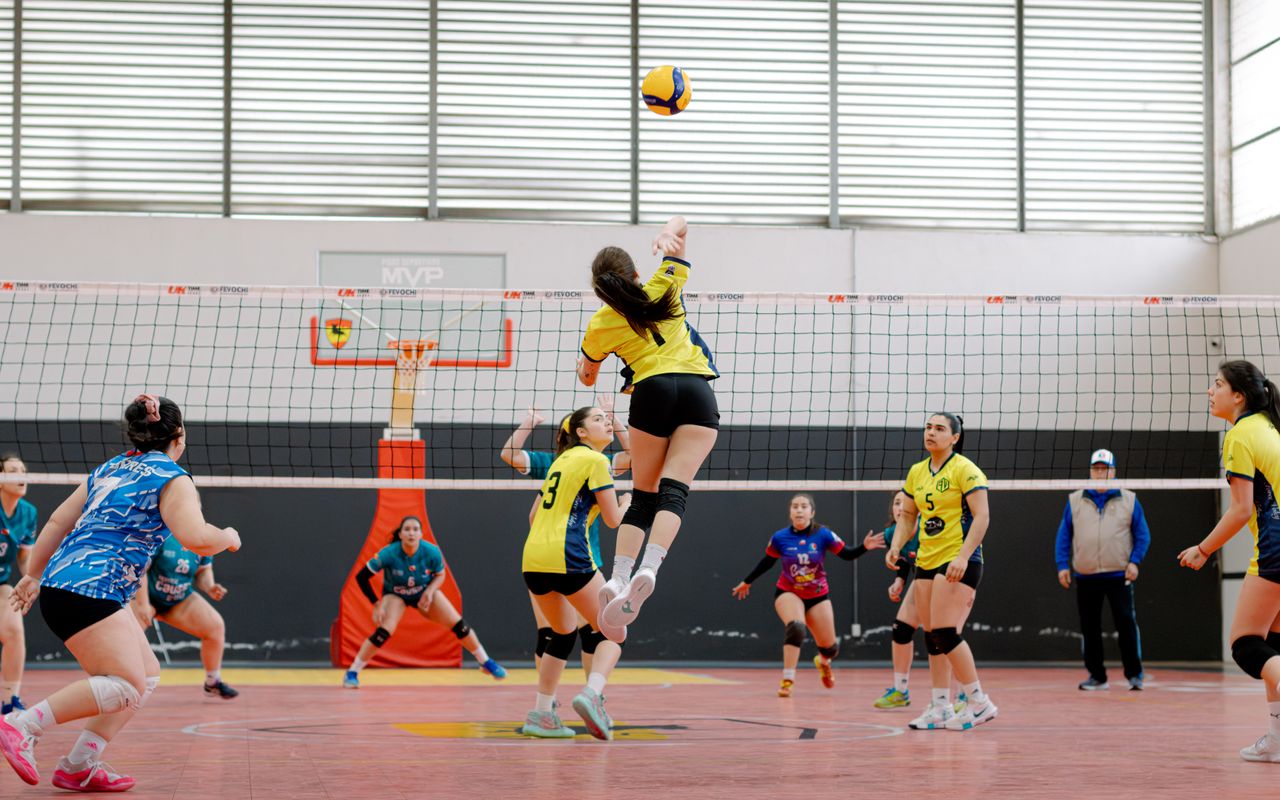
Club volleyball is increasingly important in Idaho because the sport has become more specialized nationally. High school volleyball still provides identity and community, but club volleyball often provides the extra touches, positional training, and recruiting exposure that serious players need.
In Idaho, club volleyball tends to serve several roles at once. It gives athletes more repetitions outside the school season. It connects players from different schools. It creates tournament environments where teams can test themselves against stronger regional competition. It also helps players understand the pace and standards of the game beyond their immediate area.
For setters, club volleyball can be especially important because the position requires constant decision-making and timing with different hitters. For liberos and defensive specialists, club play provides the serve-receive pressure needed to improve. For pins and middles, it creates opportunities to face better blockers and more disciplined defensive schemes.
Idaho’s development challenge is the same one faced by many mid-sized volleyball states: creating enough high-quality training without making the sport accessible only to families with the resources to travel heavily. The strongest future for Idaho volleyball will likely depend on balancing competitive club growth with broad participation in schools and communities.
An Indoor-First Volleyball State
Idaho is primarily an indoor volleyball state. Outdoor volleyball exists, especially in summer recreation settings, parks, grass tournaments, and occasional sand courts, but it does not define the state the way beach volleyball defines Hawaii or Southern California. Idaho’s climate and geography make indoor volleyball the sport’s main competitive form.
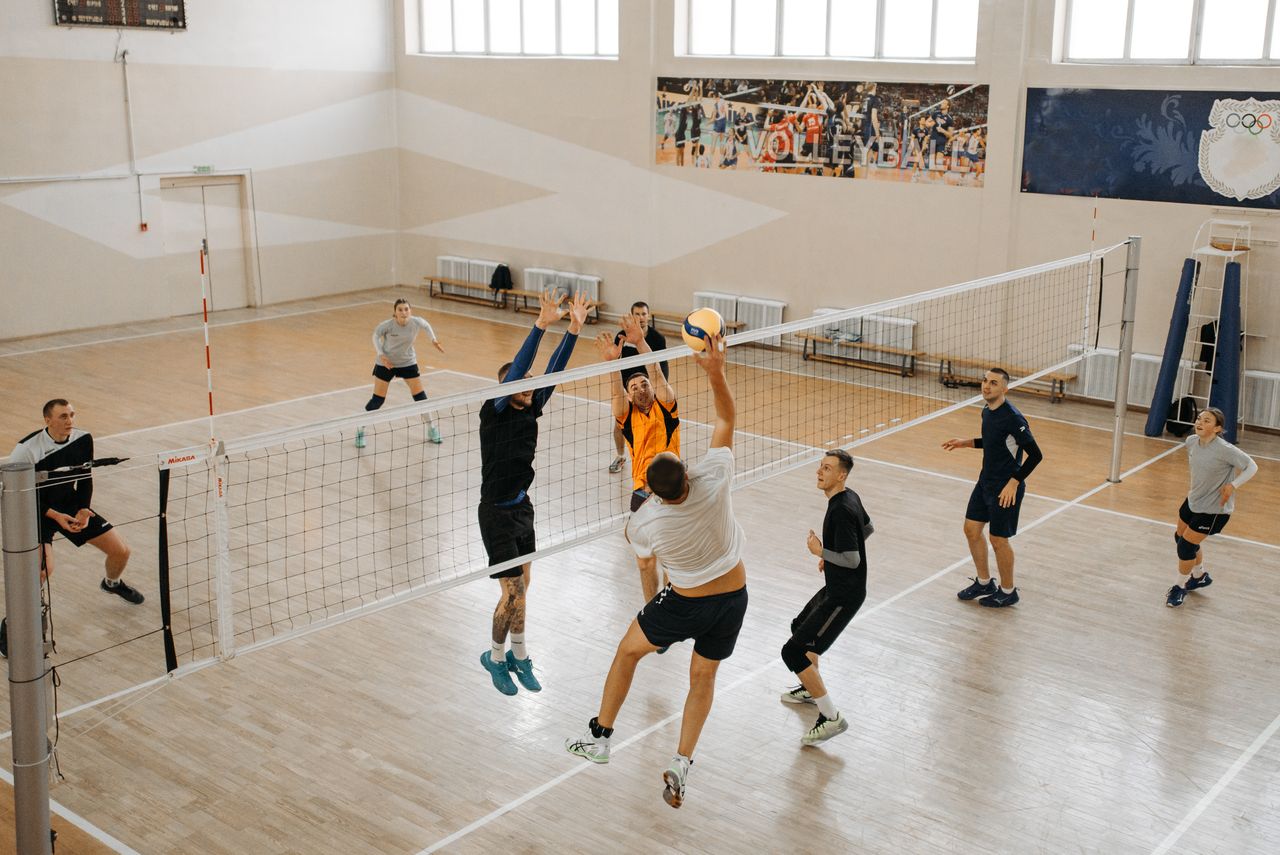
That indoor-first identity is not a weakness. It gives the state a clear developmental structure. School gyms, club facilities, college arenas, and tournament sites are where Idaho volleyball is built. Players learn the six-player game, rotation discipline, serve pressure, blocking systems, and defensive coverage.
Outdoor volleyball can still play a useful role. Grass and sand volleyball help athletes develop touch, movement, and all-around responsibility. Summer play can keep the sport active outside the school calendar. But for Idaho, outdoor volleyball is best understood as a supplement to the indoor game rather than the center of the volleyball identity.
The Type of Player Idaho Can Produce
Idaho’s best volleyball players often come from competitive multi-sport backgrounds. In smaller and mid-sized communities, athletes may play basketball, track, softball, soccer, or other sports alongside volleyball before specializing later. That can produce well-rounded athletes with good movement skills and competitive instincts.
The state’s volleyball ceiling depends on how those athletes are trained once they commit more seriously to the sport. Volleyball is highly technical. A strong jumper is not enough. Players need passing technique, arm-swing efficiency, blocking footwork, court vision, and the ability to process fast rallies. Idaho’s growing club and coaching infrastructure helps close that gap.
Because Idaho is not overloaded with elite volleyball density, players who want to reach higher levels often need to be proactive. They need strong club seasons, good film, regional tournament exposure, and positional development. But the pathway is real, especially as the state’s population centers continue to grow.
Regional Competition and Identity
Idaho volleyball is shaped by its neighbors. The state sits in a region where volleyball competition can pull in multiple directions: west toward Washington and Oregon, south toward Utah and Nevada, east toward Montana and Wyoming. That regional positioning gives Idaho teams opportunities to test themselves against different styles.
Utah, in particular, has a strong volleyball culture, and the broader Mountain West region provides a useful measuring stick. Idaho teams that want to raise their level benefit from playing outside their comfort zone. Regional tournaments can expose players to faster tempos, stronger serving, bigger blocks, and more physical pin attackers.
That regional pressure is healthy. It prevents Idaho volleyball from becoming too insular and helps ambitious players understand what the next level requires.
The Future of Volleyball in Idaho
Idaho volleyball is positioned for steady growth. The state has the essential pieces: high school participation, expanding population centers, college programs, junior clubs, and regional access. It does not need to become California, Texas, or Nebraska to have a meaningful volleyball identity. Its strength is more grounded than that.
The future likely depends on three things: better training depth, more competitive opportunities, and continued growth in both girls’ and boys’ volleyball. Girls’ volleyball already has a strong school foundation, but boys’ volleyball has room to develop. If boys’ participation expands, it would give the state a more complete volleyball culture and create new opportunities for athletes who may not see volleyball as a primary option yet.
Idaho’s volleyball story is still being built. It is a state where the sport grows through gyms, schools, clubs, and families who commit to the process. Its identity is not flashy, but it is durable. As the Treasure Valley expands and regional competition becomes more accessible, Idaho volleyball has a real chance to become deeper, sharper, and more visible in the years ahead.