Djibouti is an emerging volleyball country whose identity is shaped by development rather than international results. In a region that includes stronger and more visible volleyball nations such as Kenya, Egypt, Rwanda, Uganda, and Tanzania, Djibouti’s place in the sport is still being built through federation activity, school participation, local clubs, and regional exposure. The country’s volleyball story is not about medals at the highest level. It is about the foundation required to make volleyball a more stable part of Djibouti’s sports culture.
Djibouti sits within the African Volleyball Confederation’s Zone V structure. CAVB Zone V includes countries such as Burundi, Djibouti, Egypt, Eritrea, Ethiopia, Kenya, Rwanda, Somalia, South Sudan, Sudan, Tanzania, and Uganda, placing Djibouti in one of Africa’s most demanding regional volleyball neighborhoods. That matters because development is never isolated. A country trying to improve must measure itself against nearby opponents, and Zone V provides the competitive geography for that process.
The Fédération Djiboutienne de Volley Ball gives the sport its national organizational identity. Public federation presence is modest, but the existence of a national body is important because volleyball development depends on coordination: competitions, coaching, player registration, equipment, youth events, and access to regional tournaments. In smaller volleyball countries, the federation’s work often determines whether the sport remains recreational or becomes a true competitive pathway.
Indoor volleyball is the most realistic core for Djibouti. The indoor game can grow through schools, community clubs, and national competitions without requiring the same media attention or commercial structure as professional sport. The technical needs are straightforward but demanding. Djibouti needs setters who can deliver consistent tempo, passers who can handle jump serves, middles who can close blocks, and outside hitters who can score against organized defenses. Those skills only develop through repeated matches and qualified coaching.
The challenge is depth. A small volleyball country can produce individual athletes, but it needs a steady match calendar to produce teams. The difference between casual participation and competitive volleyball is structure: training twice or three times a week, playing meaningful matches, learning rotations, developing serve-receive systems, and exposing players to opponents outside their immediate community. For Djibouti, Zone V competition offers the best reference point for that growth.
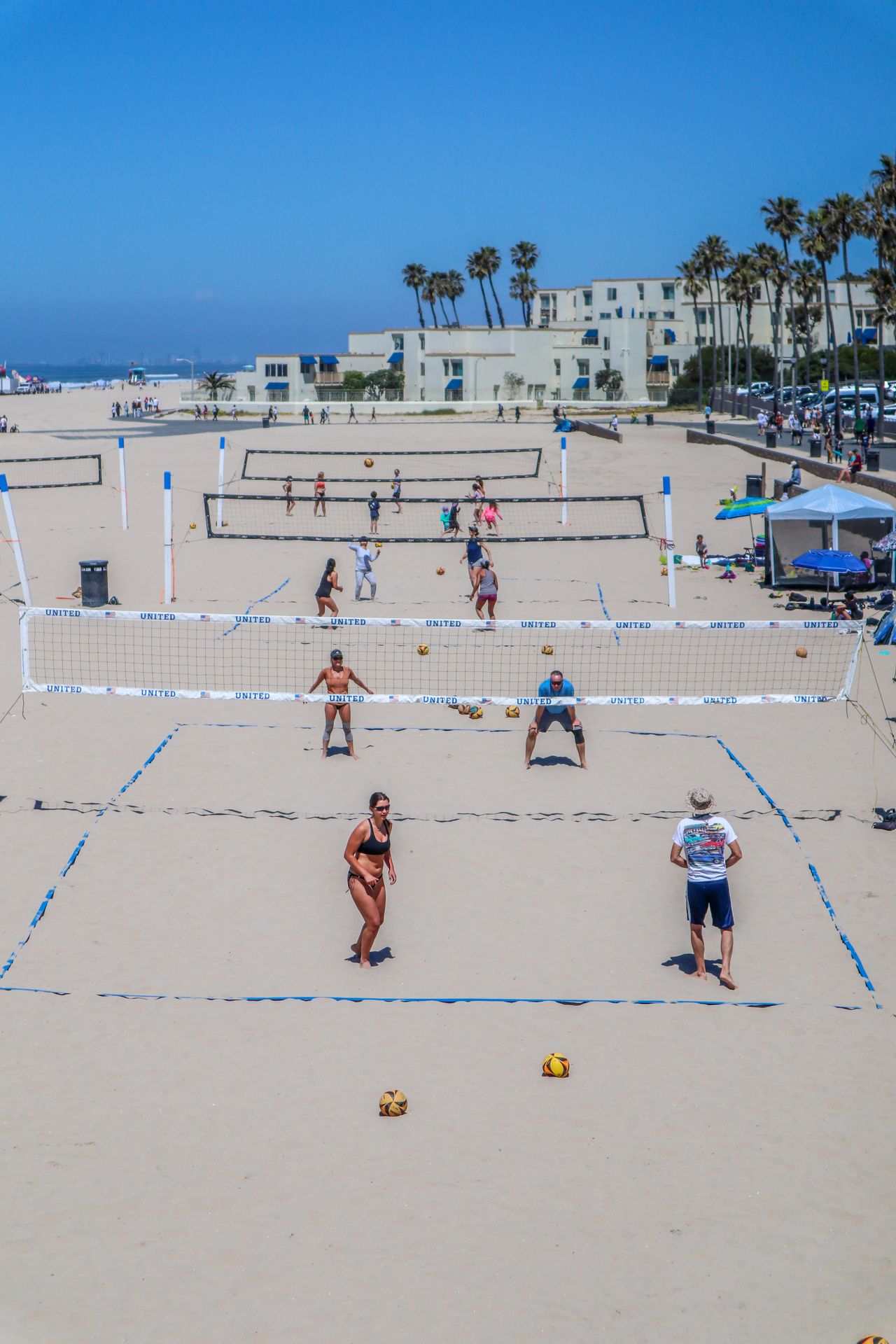
Beach volleyball could become a useful secondary identity for Djibouti because of the country’s coastal geography and climate, but it should not be overstated as the current center of the program. The beach game requires fewer players per team but a high technical burden. A good beach pair must pass, set, attack, block, defend, and manage wind and heat without the specialization of indoor volleyball. If Djibouti invests in beach volleyball, it could become a practical development tool for all-around athletes, not just a separate discipline.
The future of volleyball in Djibouti depends on consistency. Regional participation, school-level access, coach education, and club organization are more important than one isolated result. The country’s most realistic short-term goal is to become more competitive within Zone V, especially at youth and club levels. From there, national-team progress becomes more credible.
Djibouti volleyball is still in the foundation-building phase. Its strongest asset is location inside a competitive East African zone. If the country can turn that regional proximity into more matches, better coaching, and clearer player pathways, volleyball can grow from an organized minority sport into a more durable part of Djibouti’s athletic landscape.