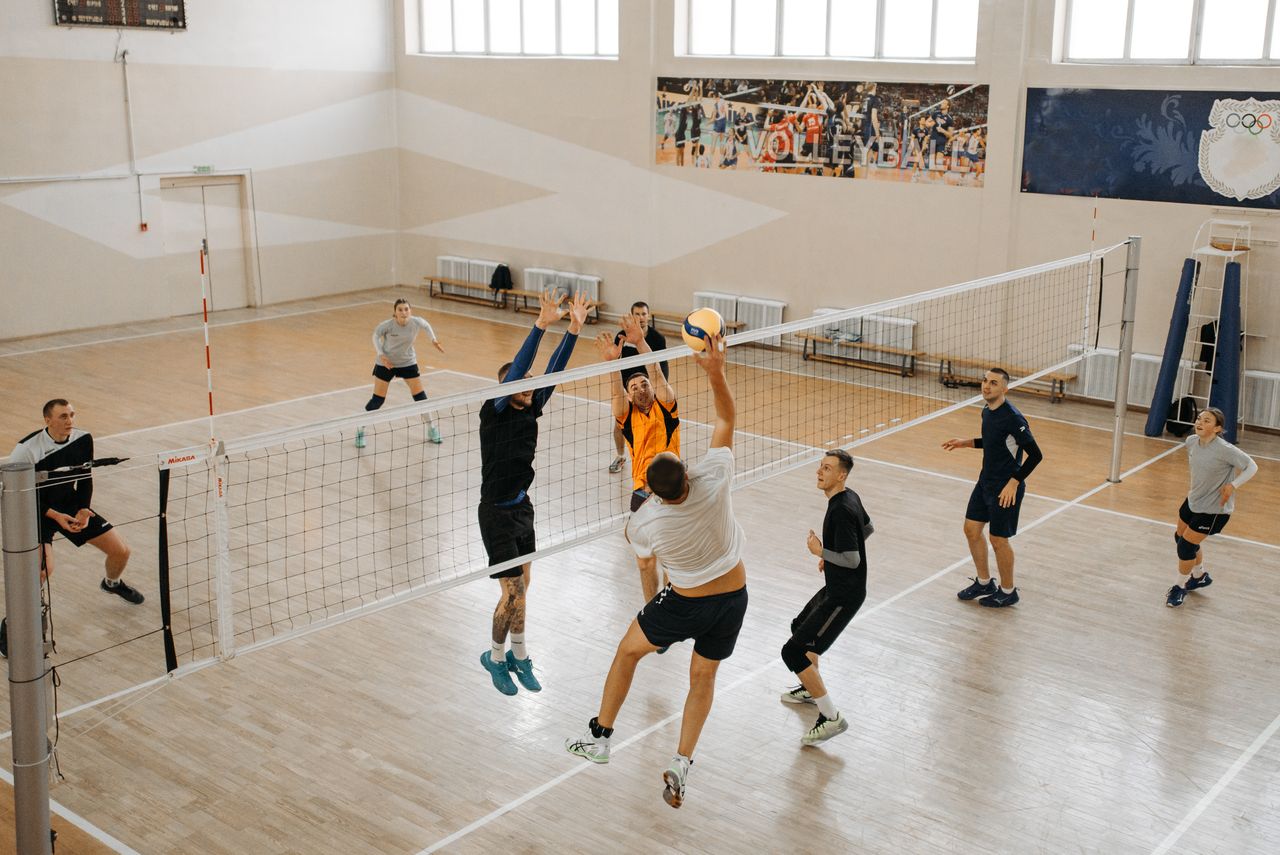
Canada has one of the most balanced volleyball landscapes in the world: strong indoor programs, a serious beach volleyball identity, deep university and club development, and a recreational scene that stretches from school gyms to summer sand courts. The country is not defined by one version of the sport. Volleyball in Canada is shaped by geography, climate, immigration, schools, universities, provincial sport systems, and a national-team structure that has become increasingly visible on the international stage.
In practical terms, Canada is a hybrid volleyball country. Indoor volleyball carries much of the organized development system, especially through youth clubs, high school teams, provincial associations, and university competition. Beach volleyball gives the country a second identity, particularly in Ontario, British Columbia, and other areas with active summer outdoor sport cultures. Recreational volleyball is also widespread, with adult leagues, drop-in programs, grass tournaments, community centers, and coed leagues making the sport accessible to players who are not chasing elite competition.
That combination gives Canadian volleyball a broad base. A beginner can usually find an indoor recreation program through a city facility, school gym, YMCA-style center, or private sports complex. A teenager with competitive ambitions can move through school volleyball, club tryouts, provincial teams, and university recruiting. A former player can find adult leagues in major metros such as Toronto, Vancouver, Calgary, Edmonton, Ottawa, Montreal, Winnipeg, and Halifax. A beach player can build a summer calendar around sand courts, lakefront parks, and tournament circuits.
Volleyball in Canada works because it is both structured and flexible. There is a formal pathway for serious athletes, but there is also a large casual scene that keeps the sport present in communities across the country.
Canada’s Indoor Volleyball Foundation
Indoor volleyball is the backbone of the Canadian game. Because much of the country deals with long winters, indoor facilities play a major role in keeping volleyball active year-round. School gyms, university athletic centers, community recreation buildings, and multisport complexes provide the foundation for training, league play, and tournaments.
The indoor game is especially strong in the youth and club systems. Across Canada, players often begin through school teams or local development programs before moving into club volleyball. Club volleyball becomes more serious in the teenage years, with athletes training multiple times per week, traveling for tournaments, and competing in age-group provincial and national events. For many players, this club system is the main bridge between recreational volleyball and higher-level competition.
Provincial associations are central to the way volleyball is organized. Canada’s size makes a single national structure difficult to experience directly at the local level, so the sport is often shaped province by province. Ontario, British Columbia, Alberta, Quebec, Manitoba, Saskatchewan, Nova Scotia, and other provinces each have their own volleyball communities, club networks, tournament calendars, and development priorities. In larger provinces, the scene can be highly competitive and geographically spread out. In smaller provinces or more remote regions, volleyball may be more community-centered but still deeply tied to schools and local recreation.
Indoor volleyball also benefits from its fit inside Canadian schools. It is relatively easy to run compared with many field sports, does not require expensive outdoor infrastructure, and works well in school gymnasiums. That makes it a practical sport for physical education, intramurals, middle school teams, high school teams, and regional championships. In many communities, school volleyball is the first serious exposure players have to organized competition.
The country’s indoor culture is also strengthened by volleyball’s international accessibility. Canada’s population includes communities with roots in countries where volleyball is a major sport, including nations from Europe, Asia, Latin America, the Caribbean, and the Middle East. That helps sustain adult leagues, competitive clubs, and informal playing groups in large urban areas. Volleyball in Canada is not only a school sport or federation sport; it is also a community sport carried by people who grew up with the game in different parts of the world.
Beach Volleyball and the Canadian Summer Game
Canada is not always thought of first as a beach volleyball country, but the sport has a real outdoor identity. The Canadian beach scene is shaped less by tropical imagery and more by intense seasonality. When the weather turns, volleyball moves outside quickly. Sand courts, lakefront parks, urban beaches, grass fields, and temporary tournament setups become important parts of the national volleyball calendar.
Ontario is one of the strongest beach volleyball regions in the country, especially around the Greater Toronto Area and other population centers with access to summer leagues and sand facilities. Toronto’s waterfront and the surrounding suburban sports market give beach volleyball a strong base of players, leagues, and tournaments. British Columbia also has a natural connection to outdoor volleyball, especially in Vancouver and coastal communities where beach courts and outdoor sport culture are part of the local identity.
Beach volleyball in Canada has two different audiences. One is recreational: players looking for summer leagues, coed games, corporate teams, social competition, or casual play with friends. The other is competitive: athletes training specifically for beach volleyball, entering provincial and national events, and pursuing high-performance opportunities. Those two sides often overlap because beach volleyball is one of the easiest versions of the sport to enter socially, but one of the hardest to master technically.
Canadian beach volleyball has also earned more attention through international competition. Canada has produced elite beach teams capable of competing at the highest levels, which has helped the sport gain credibility beyond the recreational summer scene. For young players, this matters. Beach volleyball is no longer just a seasonal side activity for indoor athletes. It can be its own development pathway, with distinct skills, training demands, and competitive goals.
The climate creates limits, but it also creates urgency. In warm-weather countries, beach volleyball can blend into the background because it is always available. In Canada, the outdoor season feels concentrated. Leagues fill quickly, tournaments become summer markers, and players take advantage of every usable week. That gives the beach scene a particular energy. It is seasonal, but it is not marginal.
Youth Volleyball, Clubs, and Player Development
The youth volleyball pathway in Canada is one of the most important parts of the sport’s identity. For players with ambition, the typical route often runs through school volleyball, club volleyball, provincial competitions, and eventually university or national-team consideration.
At the younger ages, volleyball is accessible because it can be introduced through schools and community programs. Many players first encounter the sport in physical education classes, intramural games, or local recreation leagues. From there, athletes who show interest may join a club program. Clubs vary widely in intensity. Some are developmental and community-oriented, while others operate as serious competitive programs with tryouts, travel schedules, strength training, positional coaching, and tournament expectations.
This club layer is where Canadian volleyball becomes more specialized. Players begin to learn systems, rotations, serve receive, blocking schemes, defensive responsibilities, and position-specific skills. Setters, middles, outside hitters, opposites, liberos, and defensive specialists develop different training demands. The club environment also exposes athletes to stronger competition than they usually see in school play.
Provincial championships and national club events give the best youth teams a larger stage. These tournaments are important not only because they determine titles, but because they create visibility. Coaches, scouts, provincial-team staff, and university programs can evaluate players in competitive settings. For athletes hoping to play after high school, tournament performance and club reputation can matter.
Canada’s player development system also benefits from its university pathway. U Sports volleyball gives athletes a serious domestic option after high school, while some players pursue NCAA opportunities in the United States. The presence of both routes gives Canadian athletes more flexibility. Some stay close to home and develop through Canadian universities; others move south for American college volleyball; a smaller group moves into professional leagues overseas or national-team programs.
The development challenge is geography. Canada’s population is concentrated in certain corridors, while many communities are far from major club hubs. A player in Toronto, Vancouver, Calgary, Edmonton, Montreal, or Ottawa may have access to multiple clubs and high-level competition. A player in a remote town may depend heavily on school coaches, local volunteers, travel weekends, or regional development camps. That unevenness is part of Canadian volleyball. The system has strong pathways, but access can vary sharply by location.
University Volleyball and the Competitive Pathway
University volleyball is a major piece of the Canadian volleyball ecosystem. It gives the sport a competitive anchor beyond high school and club play, and it keeps high-level athletes active inside Canada. U Sports programs provide structured training, regular competition, strength and conditioning, and a meaningful championship environment.
The university game also serves a broader purpose: it keeps volleyball visible in communities where professional volleyball is not the main spectator product. Canada does not have the same domestic professional volleyball culture as countries such as Poland, Italy, Turkey, Brazil, or Japan. That makes university volleyball especially important. It becomes one of the highest-profile forms of organized indoor volleyball in the country.
For athletes, university volleyball can be both a destination and a stepping stone. Some players use it as the peak of their competitive careers. Others use it to prepare for national-team opportunities, overseas professional contracts, or coaching careers. The level is strong enough to develop serious players, and the academic setting gives athletes a practical structure around their sport.
The university pathway also affects youth volleyball. Younger players can look at Canadian university rosters and see a tangible next step. Clubs can build relationships with university coaches. Provincial tournaments can become recruiting spaces. High school athletes can set goals that do not necessarily require leaving the country.
In the broader Canadian sports landscape, volleyball competes for attention with hockey, basketball, soccer, football, baseball, lacrosse, and many Olympic sports. University volleyball helps give the sport a stable competitive identity despite that crowded environment. It may not dominate national sports media, but within volleyball circles, it matters.
Adult Leagues, Recreation, and Drop-In Volleyball
One reason volleyball has staying power in Canada is that it works well for adults. The sport can be played seriously, socially, indoors, outdoors, coed, single-gender, in leagues, in tournaments, or as casual drop-in recreation. That flexibility makes adult volleyball one of the strongest participation categories in the country.
In major cities, adult volleyball is often organized through recreation departments, private league operators, community centers, university facilities, and independent clubs. Players can usually find different levels, from beginner-friendly coed leagues to competitive men’s and women’s divisions. Some leagues are built around social play. Others attract former club, college, or university athletes who still want a high standard of competition.
Toronto, Vancouver, Calgary, Edmonton, Ottawa, Montreal, Winnipeg, and other large metros tend to offer the broadest range of adult volleyball options. Indoor leagues are common during colder months, while beach and grass volleyball become more prominent in spring and summer. In smaller cities, the scene may depend more on local recreation centers, school gyms, volunteer organizers, and community sports groups.
Drop-in volleyball is especially important for newcomers. It gives players a way to enter the sport without committing to a full season or joining an established team. For adults who move to a new city, volleyball can also become a social entry point. Coed leagues and recreational tournaments often function as both sport and community.
The adult game also helps sustain facilities and volleyball culture. Players who competed in high school or club volleyball often return later through leagues. Parents who have children in youth volleyball may also play recreationally. International students, immigrants, and young professionals bring playing experience from other countries. The result is a volleyball scene that does not end at graduation.
Where Volleyball Is Strongest in Canada
Volleyball exists across Canada, but its visibility changes by region. The strongest scenes are usually found where population density, facilities, schools, clubs, and tournament infrastructure overlap.
Ontario has one of the country’s deepest volleyball environments because of its population size and concentration of clubs, schools, universities, and adult leagues. The Greater Toronto Area is especially important. It supports youth clubs, beach volleyball, indoor leagues, private training, school competition, and a large adult recreational market. Other Ontario cities also contribute to the province’s volleyball depth.
British Columbia brings a different profile. Vancouver and the Lower Mainland have strong indoor and beach volleyball scenes, supported by climate, outdoor culture, schools, clubs, and university programs. The province’s coastal identity makes beach and outdoor volleyball more visible than in many parts of the country.
Alberta has a strong indoor volleyball culture, particularly around Calgary and Edmonton. The province’s club system, university programs, and school competition make it one of Canada’s important volleyball regions. Because the climate pushes much of the sport indoors, facilities and organized leagues are central to the volleyball experience.
Quebec has a distinctive volleyball culture shaped by schools, clubs, universities, and urban recreation, particularly in and around Montreal and Quebec City. The province’s sports system and francophone identity give its volleyball scene a different character from English-speaking provinces, but the core structure of indoor development, club competition, and recreational play remains familiar.
The Prairie provinces, Atlantic Canada, and northern communities each have their own volleyball realities. In some places, volleyball is deeply tied to schools and local gyms. In others, it is a practical community sport because it can be played indoors with relatively limited equipment. Smaller provinces may not have the same volume of clubs as Ontario or British Columbia, but volleyball can still have strong local importance through school championships, provincial teams, and community leagues.
National Teams and International Volleyball
Canada’s national volleyball programs give the country a place in the international game. The men’s and women’s indoor teams, beach volleyball teams, age-group teams, and national development programs all contribute to the country’s competitive identity.
The men’s indoor program has been particularly visible in recent years, competing against top international opponents and helping raise the profile of Canadian volleyball. The women’s program has also grown in relevance, with increased attention to high-performance development and international competition. Beach volleyball has given Canada some of its most recognizable global moments, with Canadian teams competing against the world’s best on the sand.
International success matters for the domestic game because it gives young players something to connect to. A club athlete in Canada can see a path from local gyms to provincial teams, university volleyball, national-team pipelines, and international competition. That path is difficult and selective, but its existence strengthens the sport’s credibility.
Canada’s challenge is not whether volleyball exists. It is how to keep building visibility in a crowded sports market. Hockey dominates much of the national sports conversation. Basketball and soccer have grown enormously. Football, baseball, lacrosse, tennis, golf, and Olympic sports all compete for attention. Volleyball has to earn its space through participation, development, and international performance rather than constant mainstream coverage.
That makes the national teams especially important. They represent the top of the Canadian volleyball pyramid and give the sport a public face. When Canadian teams perform well internationally, it filters down into youth interest, club credibility, and the sense that volleyball is a serious Canadian sport rather than only a school or recreation activity.
Volleyball for Beginners, Families, and Visitors
Canada is a good volleyball country for beginners because the sport has many entry points. A new player does not need to begin in an elite club environment. Recreation centers, school programs, adult beginner leagues, beach courts, summer camps, and drop-in sessions all provide ways to start.
For families, youth volleyball is often accessible through a combination of school teams and local clubs. The best fit depends on the player’s age, experience, and goals. A child who is new to the sport may be better served by a developmental program or school team before trying a competitive club. A teenager with stronger ambitions may need club volleyball, positional training, and tournament exposure.
For adults, the easiest entry point is usually a recreational league or drop-in program. Many Canadian cities have coed leagues that welcome mixed skill levels, especially in indoor winter seasons and outdoor summer seasons. More competitive players can usually find higher divisions, private groups, or tournament teams.
Visitors will find volleyball easiest in summer, especially in cities with beach courts, waterfront parks, and outdoor recreation areas. Indoor drop-ins may be available year-round, but they often require advance registration, facility memberships, or local knowledge. Beach volleyball is usually more visible to travelers because courts are easier to spot and casual games are more common in warm weather.
Canada’s volleyball scene is not uniform, but that is part of its strength. The country has elite pathways, university competition, serious youth clubs, international teams, adult leagues, beach volleyball, and casual recreation. A player’s experience will depend heavily on province, city, season, and skill level, but the overall volleyball environment is broad and active.
The Future of Volleyball in Canada
The future of volleyball in Canada looks strongest where three forces overlap: youth development, adult participation, and international visibility. The sport already has a durable base in schools and clubs. It has a strong recreational identity among adults. It has beach teams and indoor national teams capable of giving Canadian volleyball a larger profile. The next step is continued growth in access, coaching depth, facility availability, and public recognition.
Canada has the structure to keep producing serious volleyball players. The challenge is making that structure easier to navigate and more evenly available. In major cities, players may have many clubs, leagues, and training options. In smaller or remote communities, the sport often depends on committed coaches, school gyms, and local organizers. Strengthening those connections is essential for long-term growth.
Volleyball also fits modern Canadian sport culture well. It is inclusive, relatively affordable compared with many equipment-heavy sports, adaptable to different ages, and playable in both competitive and social formats. It works indoors during winter and outdoors during summer. It appeals to families, students, competitive athletes, new Canadians, former players, and adults looking for community-based recreation.
Canada may not have the same single-sport volleyball obsession found in the world’s biggest volleyball nations, but it has something valuable: range. Indoor, beach, youth, university, adult, recreational, and international volleyball all have a place. That makes Canada one of the more complete volleyball countries, even if the sport’s visibility varies by region.
Volleyball in Canada is not one scene. It is a national network of school gyms, club tournaments, university matches, beach courts, adult leagues, summer parks, and international ambitions. For players looking to learn, compete, coach, watch, or simply stay active, Canada offers a volleyball environment with real depth and room to grow.