Prague’s volleyball identity is different from the typical capital-city sports profile. It is not simply a place where volleyball exists alongside football and hockey. It is one of the more important volleyball centers in Czechia, with a role in the country’s indoor club structure, youth development, recreational participation, and emerging beach volleyball ambitions.
The city sits inside a Czech volleyball culture with real European roots. Czech volleyball carries the legacy of Czechoslovak success, disciplined training, strong club organization, and a tactical understanding of the indoor game. Prague adds the capital-city layer: clubs, facilities, international residents, youth programs, recreational leagues, and access to national institutions. That makes it a hybrid volleyball scene, but one with a stronger indoor spine than many recreational capitals.
Prague volleyball is not defined by mass spectacle in the way football clubs dominate the city’s sports conversation. It is defined by structure. Indoor clubs develop players, leagues provide competitive standards, and beach volleyball has become a visible growth area. The result is a city where volleyball can be both serious and accessible.
The Indoor Game and the Czech Volleyball System
Indoor volleyball is the foundation of Prague’s volleyball identity. Czech volleyball has historically valued organization, technique, and team structure, and Prague reflects that tradition. Players are developed through clubs, youth programs, school participation, and competitive leagues, with a clear distinction between casual recreation and performance volleyball.
VK Lvi Praha has become one of the city’s most visible volleyball institutions. A capital-city club competing in the Czech top flight gives Prague an elite reference point for the indoor game. That matters because club volleyball in Europe carries a different meaning than it does in many American cities. It is not just youth development or weekend tournaments. It is the center of the sport’s competitive structure, connecting junior athletes, senior teams, professional standards, and European competition.
For a young player in Prague, the club pathway can offer a direct line from early training to serious volleyball. That pathway teaches the technical details that define the European indoor game: clean first contact, disciplined blocking, setter decision-making, middle involvement, tactical serving, and organized floor defense. The game is not only about athleticism. It is about spacing, timing, system responsibility, and reading the opponent.
That makes Prague an important part of Czechia’s broader volleyball map. The city may not own the entire national volleyball identity, but it has the institutions and population to be a major contributor.
A Capital-City Volleyball Community
Prague’s volleyball culture extends beyond elite clubs. Like many European capitals, it has a layered sports environment. There are competitive players in clubs, students playing through schools and universities, adults in recreational leagues, expatriates looking for social sport, and outdoor players using volleyball as part of city life. That mix gives Prague a volleyball identity that is both Czech and international.
This matters because Prague is not only a national capital. It is a European city with a large international population, strong tourism, universities, and a social sports scene. Volleyball benefits from that. It is relatively easy to organize, it works indoors and outdoors, and it crosses language barriers better than many team sports. Players can join a match through skill and court awareness even when they are new to the city.
Still, the serious volleyball layer remains Czech at its core. The best indoor volleyball in Prague is connected to clubs, coaching, and league structures. That gives the city more depth than a casual recreational market. The difference is visible in how the game is played. Competitive Prague volleyball tends to value controlled serve receive, disciplined defensive systems, and tactical attacking rather than loose, purely athletic play.
Beach Volleyball in an Inland Capital
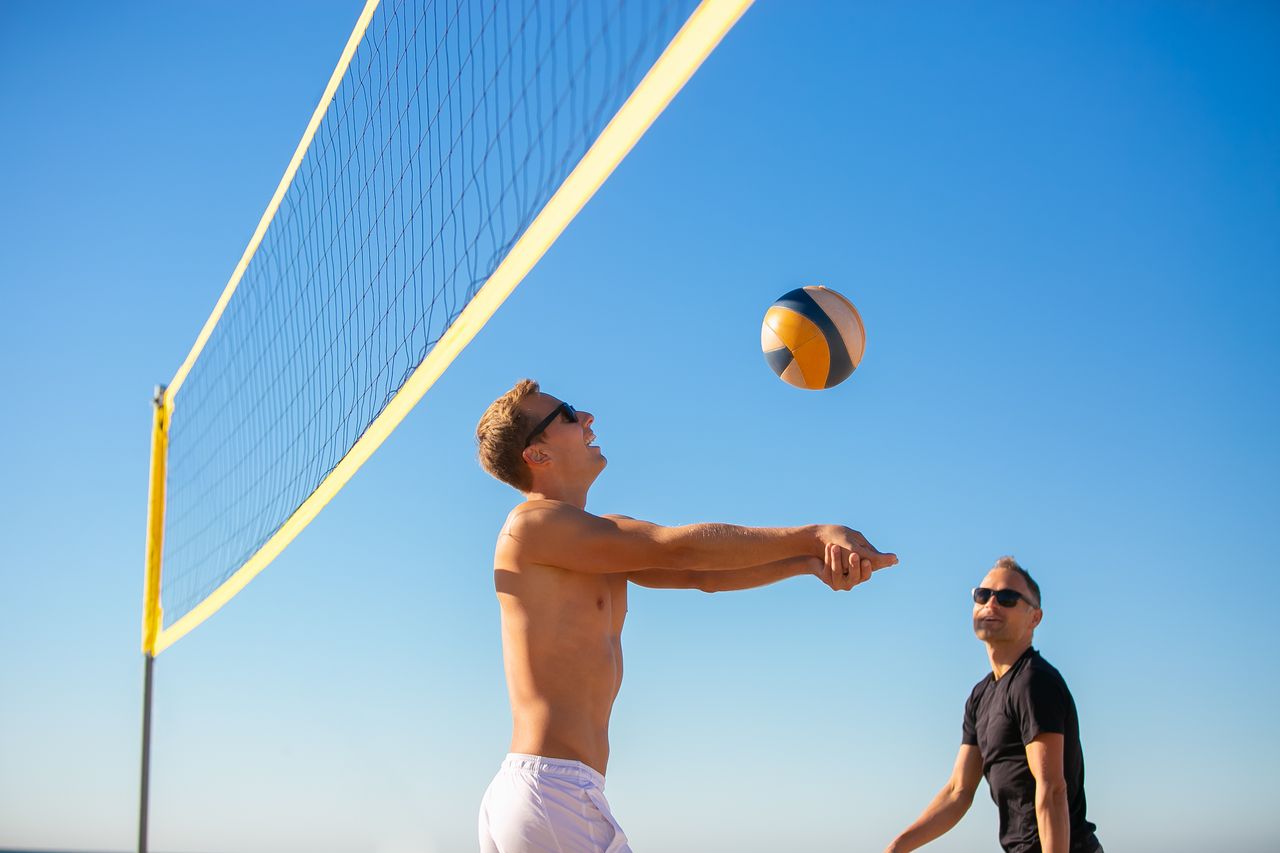
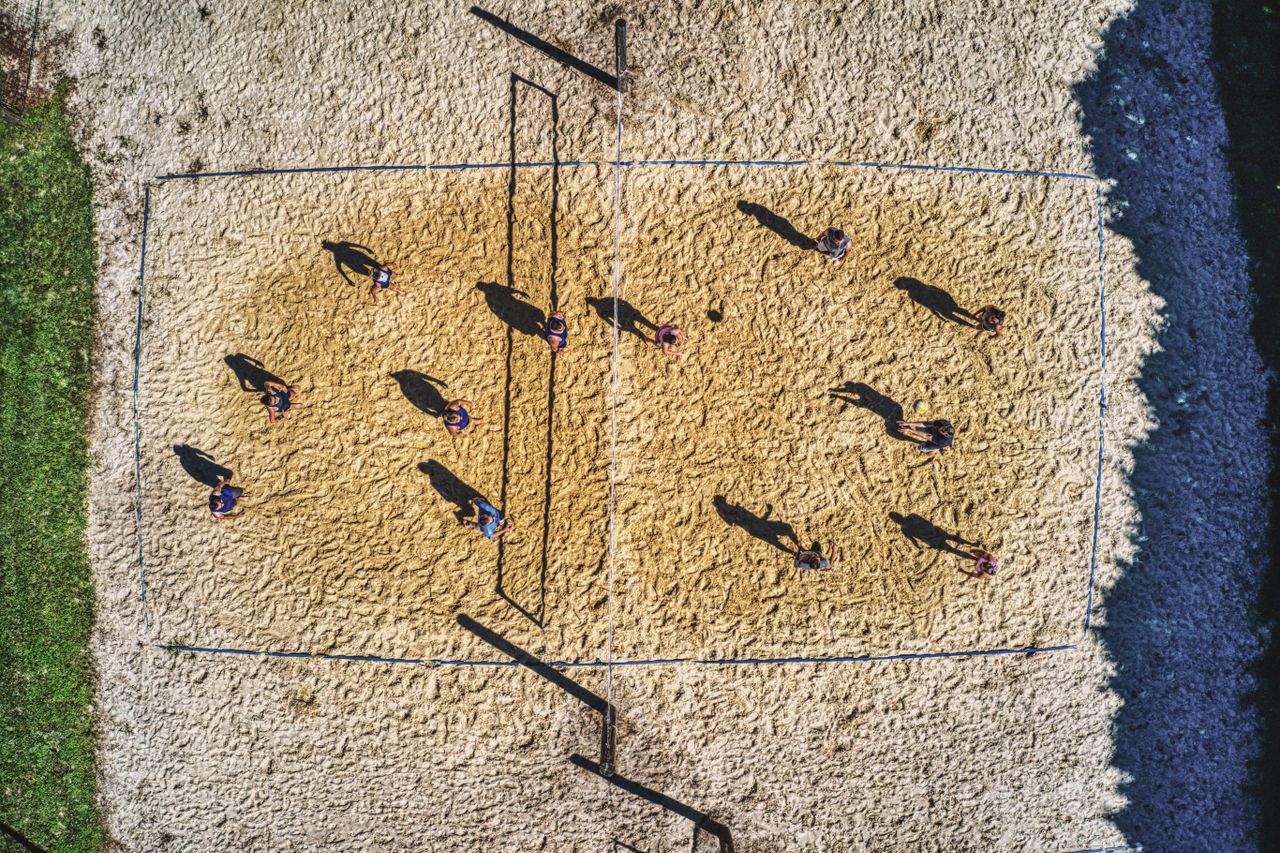
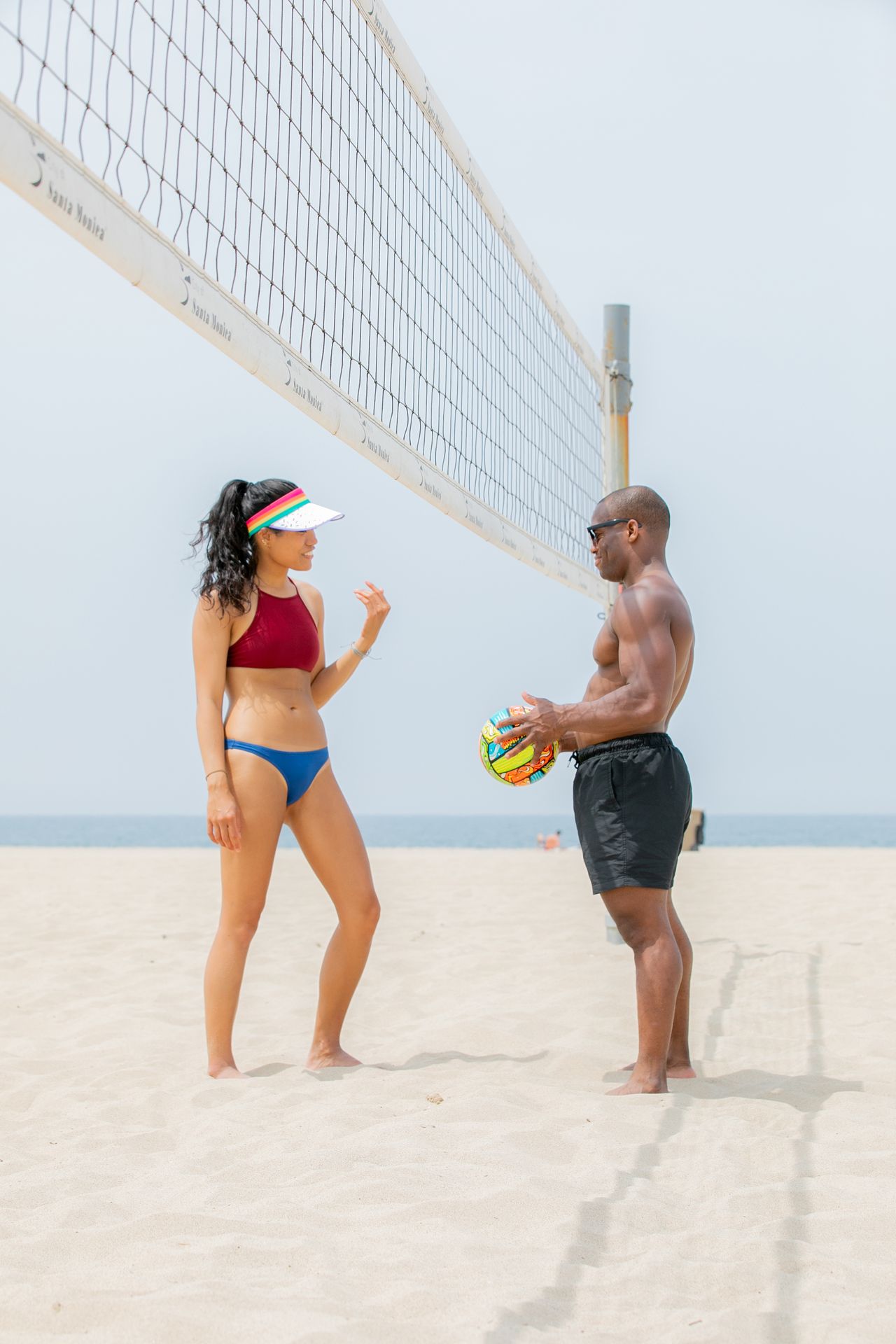
Prague is not a beach city, but beach volleyball has become a meaningful part of its modern volleyball identity. That may seem counterintuitive from a distance, but European beach volleyball has never been limited to coastal locations. Inland cities can build strong beach scenes through dedicated facilities, summer tournaments, training centers, and international events.
Prague has increasingly fit that model. Beach volleyball gives the city a different kind of volleyball energy: more open, social, and event-driven than the indoor club system, but still competitive at the higher levels. The two disciplines can support each other. Indoor players who spend time in the sand often become more complete athletes, while beach specialists bring ball control, endurance, and tactical creativity back into the broader volleyball culture.
The Czech beach volleyball scene has also gained more international attention, especially on the women’s side. Prague benefits from that national momentum. When Czech pairs compete internationally or when Prague hosts beach events, the city’s volleyball profile expands beyond the gym. It becomes part of the European beach volleyball calendar and gives local players a visible version of the sport that feels modern and internationally connected.
Teams, Events, and Competitive Identity
Prague’s volleyball reputation is shaped by its position inside Czechia rather than by isolation. The city contributes to a national volleyball environment that has produced strong players, competitive clubs, and international teams capable of challenging larger volleyball nations. Czech volleyball is not always placed in the same tier as Poland, Italy, Serbia, or Brazil, but it has enough history and structure to be respected.
For Prague, the key institutions are clubs, leagues, and events. VK Lvi Praha gives the city a top-level club identity. Czech league competition gives that identity domestic meaning. European competition gives it a wider stage. Beach events add another layer, especially when Czech players perform well at home.
The result is a volleyball scene with several entry points. A fan might follow the top indoor club. A young player might enter through youth training. A student or expatriate might discover volleyball through recreational leagues. A beach player might connect to the sport through summer events. Those pathways are different, but together they create a complete capital-city volleyball ecosystem.
The Direction of Prague Volleyball
Prague’s volleyball future looks strongest if the city continues to connect its indoor tradition with beach volleyball growth and broader participation. The indoor side already has the advantage of structure. The beach side has energy and international appeal. The recreational side has the city’s size, universities, and international population behind it.
The challenge is visibility. In a city with powerful football and hockey traditions, volleyball has to work harder for attention. But Prague does not need to become a mass-market volleyball city to matter. It needs strong clubs, good coaching, accessible courts, youth development, and events that keep the sport visible.
That is where the city’s volleyball identity is most convincing. Prague is a European capital where volleyball has both roots and room to grow. Its indoor game carries the weight of Czech club tradition. Its beach scene gives the sport a modern, international edge. Its recreational community keeps volleyball active beyond elite competition. Together, those layers make Prague one of the more complete volleyball cities in Central Europe.