Peru’s volleyball identity is built around one of the strongest women’s indoor traditions in Latin American sports. In a country where soccer dominates national attention and where individual sports often fight for visibility, volleyball has occupied a different kind of place: it is a sport of memory, national pride, school gyms, Lima clubs, continental rivalry, and the lingering standard set by one of the great South American teams of the twentieth century.
The center of that identity is women’s volleyball. Peru is not simply a country where volleyball is played; it is a country where volleyball once gave the national public a genuine world-level team, Olympic finalists, South American champions, and athletes who became household names. That history still shapes how the sport is discussed. When Peru has a promising junior group, when the senior national team pushes Brazil or Argentina, when the domestic league produces a new outside hitter or setter with international potential, the conversation almost always reaches back to the same question: can Peruvian volleyball return to the level it once knew?
That question gives volleyball in Peru its particular tension. The sport is not emerging in the simple sense. It has already been elite. It has already stood on Olympic podiums. It has already filled arenas and created national stars. But it is also not currently the dominant force it was in the 1970s and 1980s. Modern Peruvian volleyball lives between legacy and reconstruction, with a passionate fan base, a recognizable domestic structure, and a constant effort to rebuild the depth, physicality, coaching pipeline, and competitive consistency needed to contend again at the highest levels.
A Women’s Volleyball Nation First
Peru’s volleyball reputation starts with the women’s national team. The country’s greatest international success came through indoor volleyball, and especially through a generation that made Peru one of the defining women’s programs in the Americas. For decades, Peru was Brazil’s great South American rival. Before Brazil became the region’s overwhelming power in the modern era, Peru had already built a volleyball identity rooted in skill, discipline, defense, and national-team cohesion.
The peak was the silver medal at the 1988 Seoul Olympics, one of the landmark achievements in Peruvian Olympic history. That team carried more than volleyball significance. It showed that Peru could compete with the strongest volleyball nations in the world, not only within South America. The Olympic run remains central to how the sport is remembered because it gave Peru a place in global volleyball history. It also created an enduring standard for what the national team can mean when it captures the country’s attention.
Peru’s success was not limited to a single tournament. The country was also a major force at World Championship level and in South American competition. Its women’s teams became known for technical quality, defensive stubbornness, and competitive intelligence. In an era when global volleyball was rapidly becoming more physical, Peru’s best teams combined athleticism with reading, ball control, transition play, and emotional resilience. They were not merely participants in major events; they were contenders.
The influence of that era still matters because it gave Peruvian volleyball a vocabulary of excellence. It created expectations around the national jersey. It made volleyball one of the few sports in Peru where women’s national-team success is not treated as secondary history. In many countries, women’s volleyball grows from school participation or club systems and gradually earns public attention. In Peru, the women’s national team reached the top first, and the rest of the sport has lived in conversation with that inheritance ever since.
The Golden Generation and Its Long Shadow
The names from Peru’s golden era remain essential to the country’s volleyball story. Cecilia Tait is one of the most important athletes in Peruvian sports history, not just Peruvian volleyball. A dynamic outside hitter and one of the stars of the 1988 Olympic silver-medal team, Tait represented the combination of athleticism, leadership, and international credibility that made Peru dangerous against stronger and deeper volleyball powers. Her later prominence beyond the court only reinforced her role as a national figure.
Gabriela Pérez del Solar, Natalia Málaga, Rosa García, Cenaida Uribe, Gina Torrealva, Denisse Fajardo, and other players from Peru’s great teams helped form a generation that still defines the sport’s reference point. The importance of these athletes is not only statistical. They became examples of what Peruvian volleyball could produce: elite attackers, disciplined defenders, setters capable of managing pressure, middle players who could compete internationally, and national-team athletes with a strong competitive edge.
Natalia Málaga’s post-playing role as a coach added another layer to that legacy. Her intensity, public profile, and connection to junior national-team development made her one of the most visible figures in the sport after the golden era. That matters in Peru because the handoff from one generation to the next has always been one of volleyball’s central challenges. Former stars are not just remembered; they are often asked, directly or indirectly, to help explain why the sport has not fully returned to its peak and what must happen for it to move forward.
The shadow of the golden generation can be both useful and heavy. It gives Peru a standard, a tradition, and a set of heroes. It also creates comparison pressure for every later team. A young Peruvian national squad is rarely evaluated only on its own terms. It is measured against Olympic silver, World Championship finals, South American titles, and a time when Peru could credibly expect to beat almost anyone. That can make rebuilding difficult, but it also keeps volleyball culturally alive. The past is not buried; it is still part of the sport’s public imagination.
Indoor Volleyball and the Peruvian Style
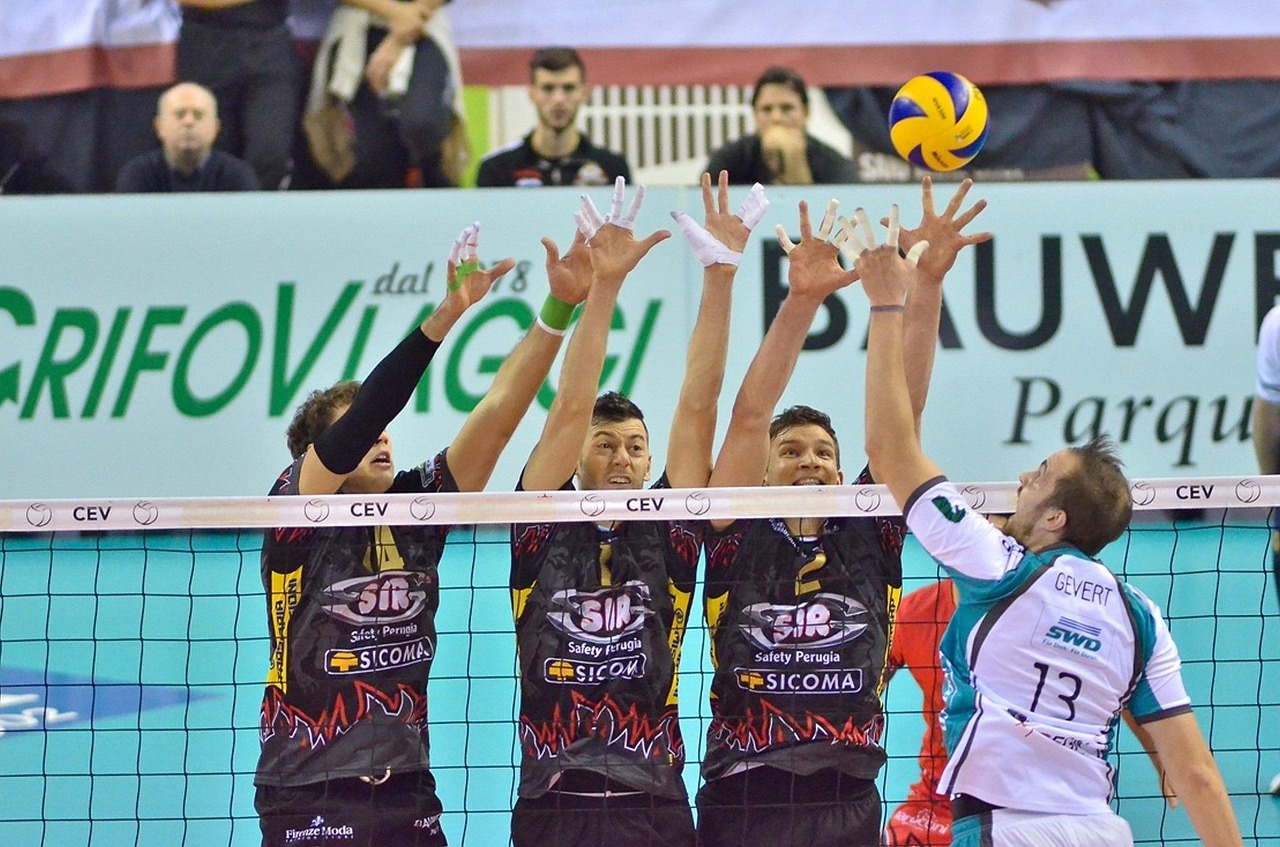
Peru’s strongest volleyball identity has always been indoor, organized, and team-oriented. The country’s best teams historically relied on technical clarity and competitive discipline. Ball control was central. Serve receive, defensive reading, and extended rallies gave Peru a recognizable style, especially in eras when it did not always have the same size profile as some European or Asian opponents.
That style suited the country’s player base. Peruvian volleyball has often valued smart outside hitters, reliable setters, quick defensive reactions, and players who can manage long points. The libero position, which became part of modern volleyball after Peru’s peak era, fits naturally into a culture that respects defense and ball control. At its best, Peruvian volleyball has been less about overwhelming opponents physically and more about staying connected through the rally: serve tough, receive cleanly, defend with discipline, and turn imperfect balls into playable attacking chances.
Modern international volleyball has raised the bar. Height, jump reach, serving power, block size, and attacking tempo have become increasingly important. That has created challenges for Peru. A country can no longer rely solely on skill and competitive grit at the highest level. Elite teams now need physical depth at every position, specialized training from younger ages, sports science, strength programs, video analysis, and year-round high-level competition. For Peru, the task has been to preserve the technical and emotional strengths of its volleyball culture while modernizing the development system around it.
That is why the indoor game remains both Peru’s foundation and its main testing ground. The country’s volleyball future depends on whether it can produce enough complete players: outside hitters who can pass and score, middles who can close blocks against faster offenses, setters who can speed up the attack, opposites who can terminate out of system, and liberos who can anchor serve receive under pressure. Peru’s volleyball reputation was built indoors, and any major return to international prominence will almost certainly come through the indoor game first.
Lima as the Center of the Volleyball Map
Like many Peruvian institutions, volleyball is heavily centered in Lima. The capital provides the largest player pool, the most visible clubs, the strongest media attention, and the main competitive infrastructure. While volleyball is played beyond Lima, the national conversation tends to run through the capital’s gyms, clubs, schools, and league teams.
This concentration has advantages. Lima can sustain a more serious club environment than smaller markets. It has the population base to support junior teams, private training, school competition, federation activity, and domestic league visibility. It is also where volleyball has the best chance of reaching television audiences, sponsors, and sports media. For young players with national-team ambition, Lima is often the place where volleyball becomes more than a school activity.
But centralization also creates limitations. A country of Peru’s size and geographic variety cannot maximize its volleyball potential if too much of the pathway is concentrated in one city. Talent from the coast, the Andes, and the Amazon needs routes into organized development. Regional scouting, coaching education, facilities, and competition opportunities matter. The broader the base, the more likely Peru is to find the height, athleticism, and positional variety required for modern international volleyball.
That regional question is especially important because volleyball has the potential to be a national women’s sport in a deeper way than many other team sports. It can be played in schools, community gyms, municipal programs, universities, and club systems. It does not require the same field space as soccer, and it can develop strong technical players through repetition and coaching. Peru’s challenge is not whether there is cultural recognition of volleyball. There is. The challenge is building consistent pathways that connect participation to elite development across more of the country.
The Domestic League and Club Identity
Peru’s domestic women’s league is the visible backbone of the sport outside the national team. Clubs such as Regatas Lima, Alianza Lima, Universidad San Martín de Porres, Géminis, and other programs have helped sustain competitive volleyball in the country. The league gives players a place to develop, keeps the sport present in the public eye, and provides the national team with a competitive base.
The domestic league matters because national teams do not exist in isolation. A strong national program needs weekly competition where players learn to manage pressure, improve tactical decision-making, face different blocking systems, and develop match rhythm. Club volleyball also gives young players something tangible to aim for before international opportunities arrive. In a country with Peru’s history, the league is not just a local competition. It is part of the national-team ecosystem.
The strongest Peruvian clubs also carry institutional value. They create continuity. They hire coaches, train youth teams, recruit athletes, and develop fan followings. In a sport where player development requires thousands of repetitions and years of structured coaching, clubs are essential. They are where setters learn timing, middles learn footwork, liberos learn reading patterns, and attackers learn to score against organized defenses.
The domestic league’s challenge is raising and maintaining the level. For Peru to close the gap with stronger international opponents, domestic competition has to keep improving in pace, physicality, coaching, and professionalism. The more demanding the league becomes, the better prepared players are for South American championships, Pan American events, Olympic qualification, and professional opportunities abroad. A league that only preserves tradition is not enough. It has to produce players capable of surviving modern international volleyball.
South American Rivalry and the Brazil Standard
No discussion of Peruvian volleyball is complete without Brazil. For Peru, Brazil has long been the regional measuring stick. In earlier decades, Peru was not simply chasing Brazil; it was competing with Brazil for continental supremacy. That rivalry helped define South American women’s volleyball and gave Peru many of its most meaningful matches.
The balance has shifted heavily in Brazil’s favor over time. Brazil’s rise into a global volleyball superpower, supported by deep professional structures, a massive talent pool, elite coaching, and major investment, changed the regional landscape. Brazil became the standard not only in South America but worldwide. For Peru, that created a sharper competitive reality. Beating local rivals was no longer enough. To reclaim elite status, Peru would need to build systems capable of challenging one of the most sophisticated volleyball nations in the world.
Argentina and Colombia also matter in the modern South American picture. Argentina has grown into a stronger and more consistent women’s volleyball program, while Colombia has produced increasingly dangerous teams and athletes. That has made the region more complicated for Peru. The old binary of Peru and Brazil no longer fully explains the competitive map. Peru now has to fight through a deeper continental field, where qualification routes, ranking points, and tournament finishes are more contested.
That competition can be useful. Strong regional opponents give Peru meaningful matches without needing to cross the world. They expose weaknesses in serve receive, blocking, transition offense, and depth. They also provide a realistic ladder. Peru does not need to leap immediately back into Olympic medal contention to show progress. First it needs to consistently compete with and beat strong South American opponents, then convert that regional progress into better international qualification performances.
Youth Development and the Search for the Next Core
Peru’s volleyball future depends heavily on youth development. The country’s history proves that elite players can emerge, but modern volleyball requires a broader and more systematic pipeline than earlier generations needed. Talent alone is not enough. Players need early technical instruction, strength and conditioning, injury prevention, positional specialization, high-quality competition, and coaching that prepares them for the international pace of the game.
Girls’ volleyball remains the heart of the pathway. Schools, clubs, academies, and federation programs all contribute to the player base. The question is how well those layers connect. A promising young attacker needs matches against strong blockers. A setter needs years of reps with different hitters and tactical systems. A middle blocker needs footwork training and timing. A libero needs serve-receive pressure, not just defensive drills. The system has to produce complete players, not just enthusiastic participants.
Peru has had encouraging moments at youth and junior levels, and those moments often generate public excitement. Junior success carries particular weight because fans see it as a possible bridge back to the senior national team’s old level. But the transition from promising youth player to elite senior international is difficult. Many countries produce strong junior teams; fewer turn those players into mature professionals who can handle adult international volleyball.
That transition is where Peru must be especially disciplined. Keeping players in the sport, improving domestic competition, creating professional opportunities, and exposing athletes to international playing styles all matter. So does patience. The desire to find “the next” version of a golden-era star is understandable, but modern volleyball development is less about one savior and more about building full rosters. Peru needs setters, liberos, middles, opposites, and pin hitters developing together, with enough depth that injuries or one weak rotation do not collapse the team.
Beach Volleyball on the Pacific Coast
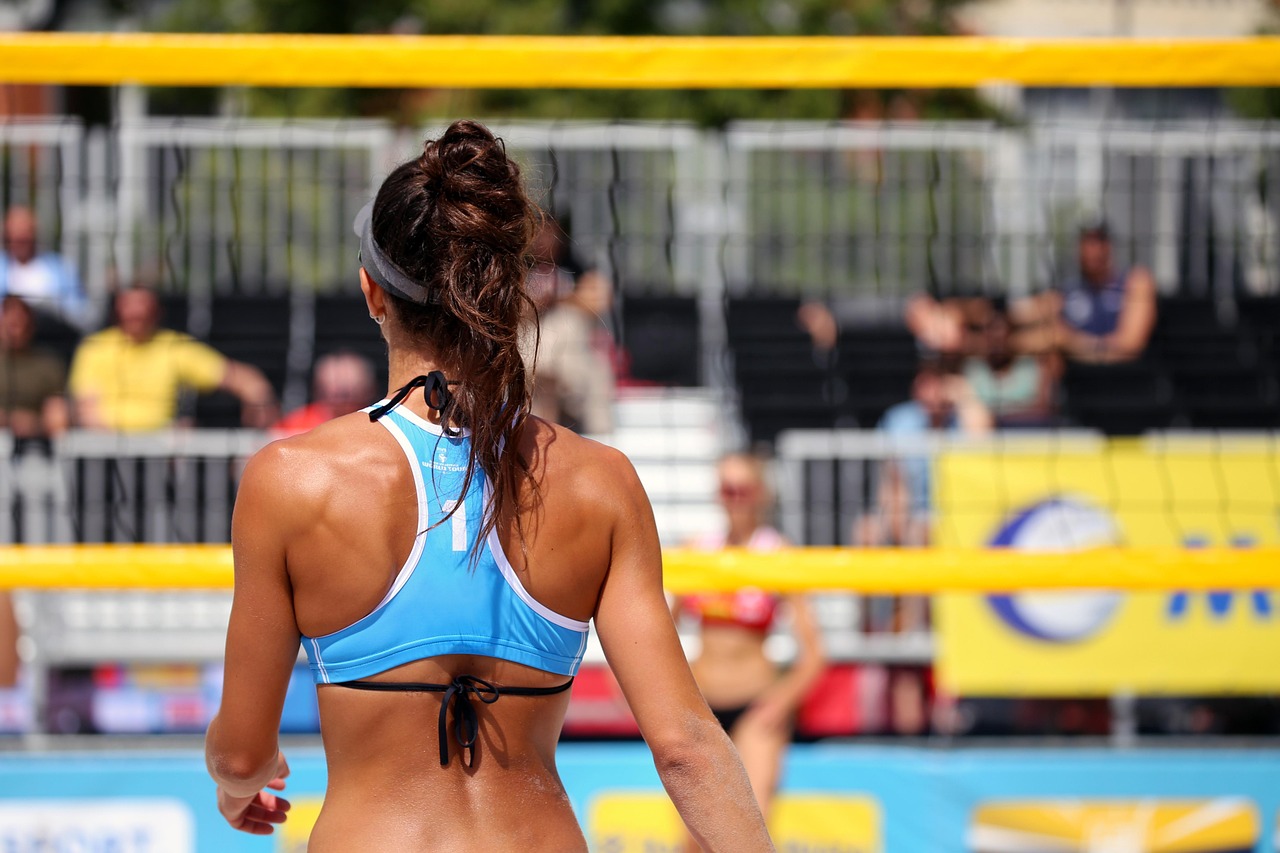
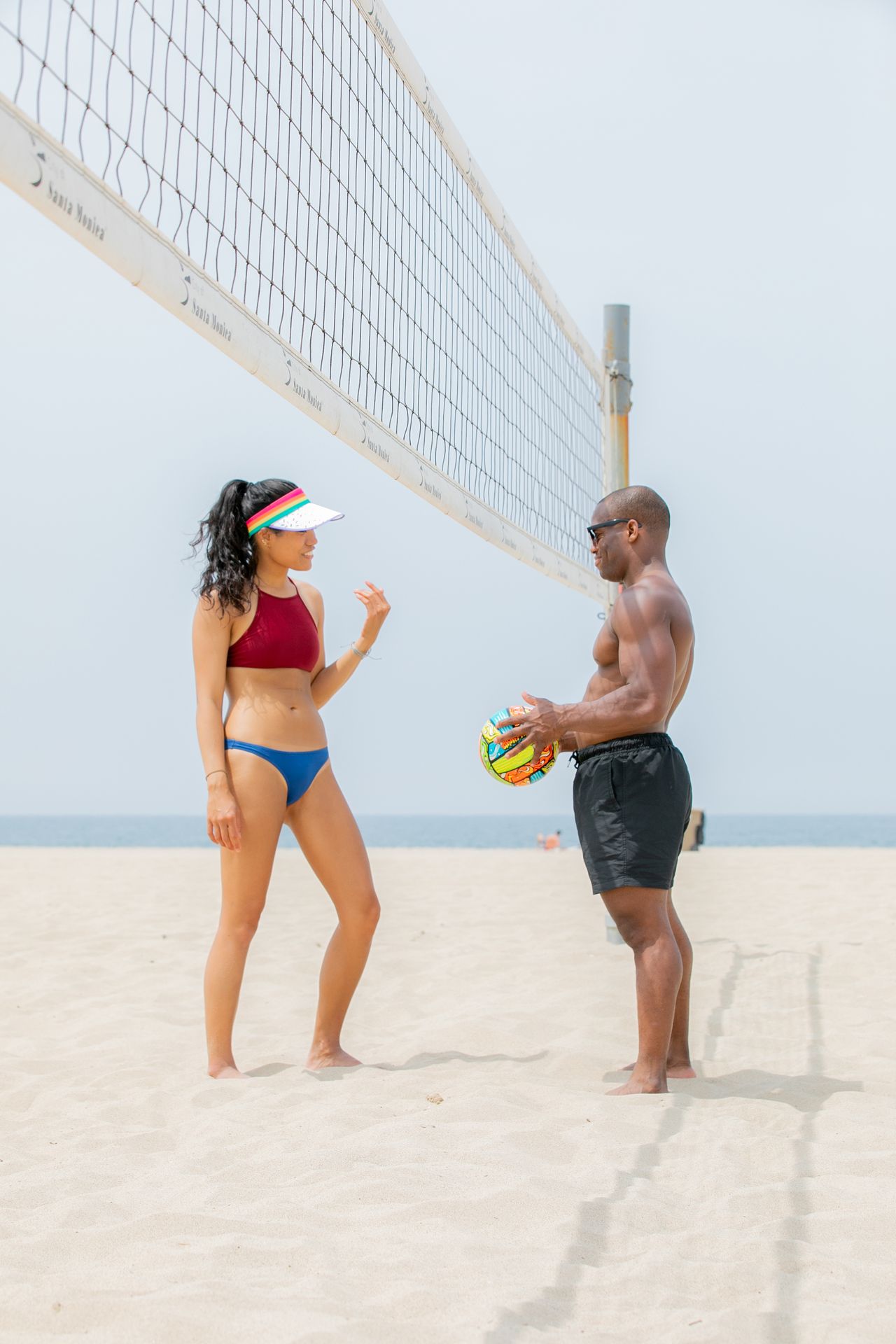
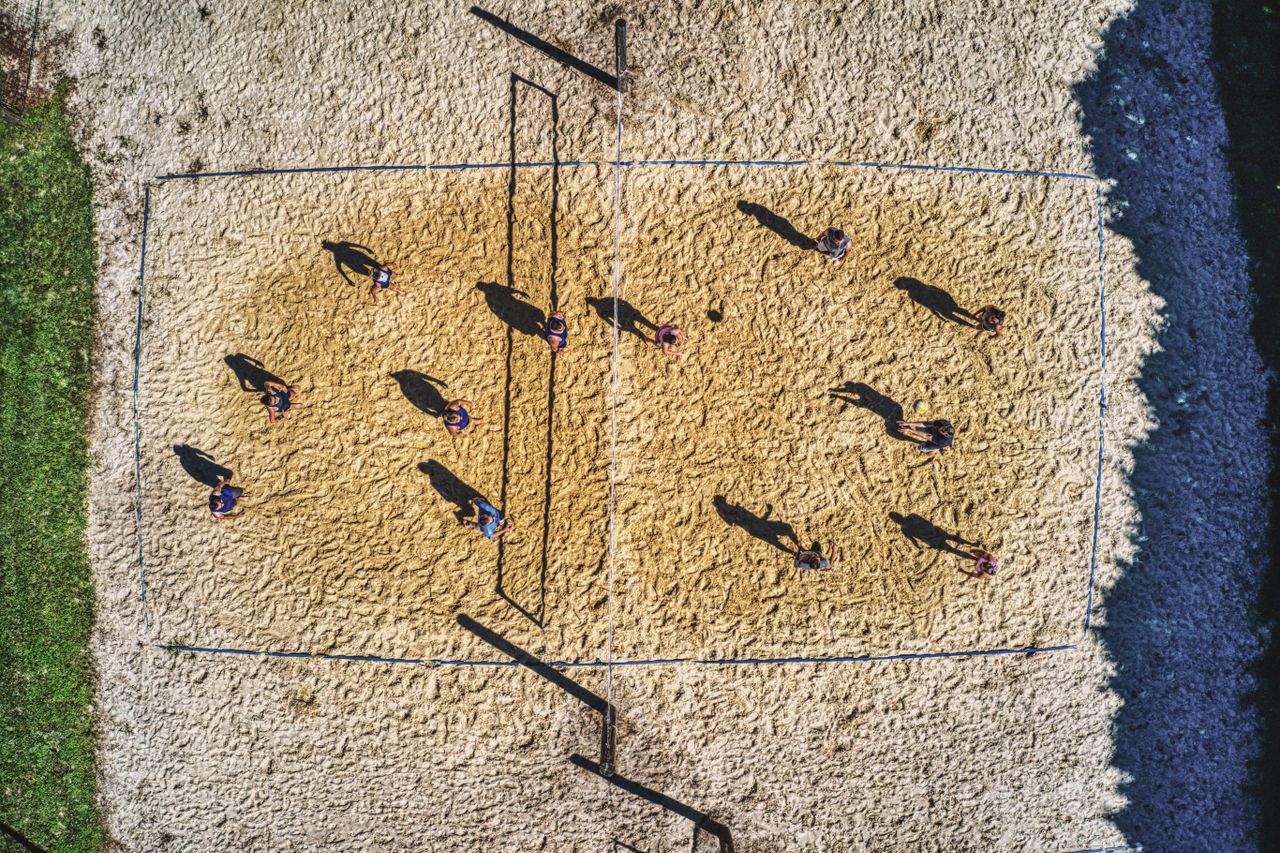
Peru has a long Pacific coastline, warm coastal communities, and beach settings that make outdoor volleyball a natural part of the broader sports environment. Beach volleyball, however, does not define Peru’s international identity the way indoor women’s volleyball does. It is a meaningful part of the participation landscape, especially around Lima and coastal areas, but it has not carried the same national legacy.
That distinction matters. In some countries, beach volleyball is the main global calling card. In Peru, beach volleyball is more complementary. It gives athletes another form of the game, connects volleyball to coastal recreation, and offers a visible summer and outdoor culture. It can also help develop ball control, reading, serving, and all-around skill. Beach players must pass, set, attack, block or defend, and solve problems in open space. Those skills can enrich the broader volleyball ecosystem.
The Pacific coast gives Peru the physical geography to grow beach volleyball further. Lima’s coastline, nearby beach communities, and seasonal outdoor activity can support more tournaments, training, and recreational play. But high-level beach volleyball requires more than sand and weather. It needs coaching, consistent competition, athlete funding, tournament organization, and pathways to continental and international events.
If beach volleyball grows in Peru, it will likely do so alongside, not instead of, the indoor game. The country’s volleyball imagination is still tied to the indoor national team. But beach volleyball offers a valuable expansion point, especially for younger athletes, coastal clubs, and communities looking for a more accessible version of the sport outside traditional gyms.
Volleyball Culture and National Memory
Volleyball in Peru has a cultural status that goes beyond current rankings. The sport carries national memory. Older fans remember when Peru could stand with the world’s best. Younger fans inherit that story through family, media, former players, and the continued visibility of the women’s national team. That gives volleyball an emotional depth that many sports would envy.
The atmosphere around Peruvian volleyball is shaped by that memory. National-team matches are not just evaluated as isolated events. They are read as signs of revival, frustration, progress, or decline. A strong performance can quickly produce optimism. A weak tournament can reopen arguments about federation management, coaching, player development, and the gap between Peru’s past and present.
That intensity can be demanding, but it also proves that the sport still matters. Countries without volleyball culture do not argue about junior development or coaching appointments. They do not remember rosters from decades earlier. They do not treat a youth tournament as a signal of national direction. Peru does. That gives the sport a base of attention from which to build.
Women’s volleyball also occupies a significant place in Peru because it produced female sports icons at the highest level. That legacy matters in a national sports environment often dominated by men’s soccer. Volleyball gave Peru a different image of team excellence: women competing internationally, winning major matches, becoming public figures, and shaping national pride. That remains one of the sport’s greatest strengths.
Where Peruvian Volleyball Goes Next
The future of volleyball in Peru depends on whether the country can turn history into infrastructure. The memories are there. The fan base is there. The domestic league exists. The national-team shirt still has meaning. The missing piece is sustained modernization: deeper youth development, stronger regional pathways, better physical preparation, more professional consistency, and a domestic competitive environment that prepares players for the speed and power of international volleyball.
Peru does not need to erase its old volleyball identity. It needs to update it. The best Peruvian teams were skilled, disciplined, emotional, and tactically resilient. Those qualities still matter. But today they have to be paired with size, strength, faster systems, tougher serving, and deeper benches. The countries Peru wants to challenge are not standing still.
The opportunity is real because few countries in the region have Peru’s volleyball memory. A strong generation would not have to build interest from nothing. It would have an audience ready to care. It would have former greats whose names still mean something. It would have a national story waiting for a new chapter.
Peru’s volleyball identity is therefore not just about what happened in Seoul, what happened in the great South American rivalries, or what happened when its women’s team stood among the world’s best. It is about whether that standard can be converted into a modern development model. The sport remains one of Peru’s clearest examples of international team-sport success. Its challenge now is to make that legacy active again, not as nostalgia, but as a foundation for the next serious Peruvian volleyball era.