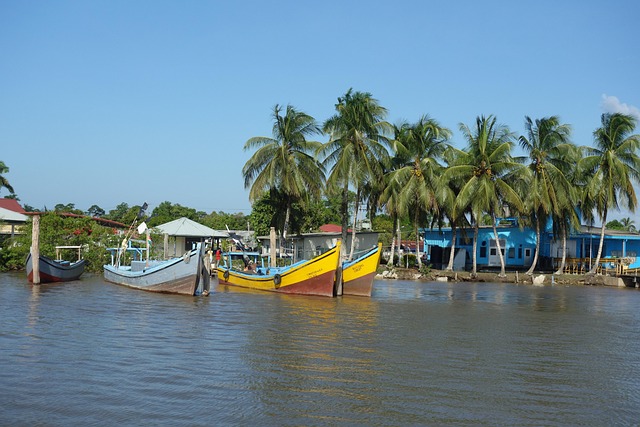
Volleyball in the Solomon Islands has the profile of a Pacific island sport with strong community potential, natural outdoor appeal, and an important connection to regional competition. The country’s geography gives volleyball a natural fit. It is a sport that can be played in villages, schools, beaches, community spaces, and organized competitions without requiring the infrastructure demands of many larger team sports. That accessibility matters in a nation spread across islands, where sport often depends on adaptability.
The Solomon Islands are better known internationally for football and other Pacific regional sports, but volleyball has a clear place in the country’s athletic culture. It fits the climate, the community structure, and the regional sporting environment. The country’s volleyball identity is not based on global dominance. It is based on participation, island competition, and the opportunity to build stronger pathways through schools, clubs, community tournaments, and national representation.
A Pacific Volleyball Setting
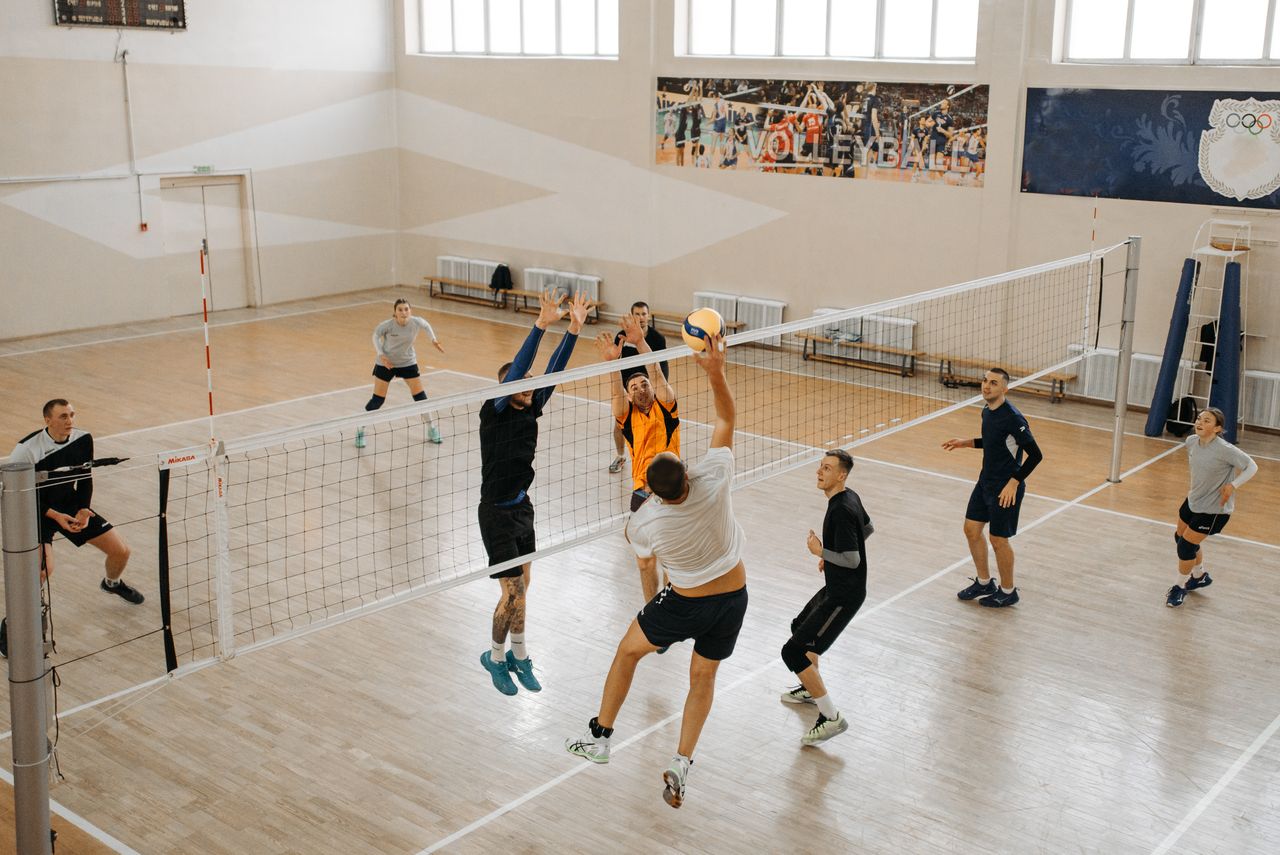
The Solomon Islands belong to a broader Pacific sports context where volleyball can thrive because it is both competitive and socially accessible. The game works in formal and informal environments. It can be played indoors when facilities are available, but it can also survive and grow outdoors, on sand, on open courts, and in community spaces where the line between recreation and competition is fluid.
That outdoor flexibility gives volleyball a strong foundation in the Solomon Islands. Beach and outdoor volleyball are not just side versions of the sport; they are part of the way the game can spread. A country with coastal communities and warm weather has natural advantages for casual and competitive outdoor play. At the same time, indoor volleyball remains important because it provides the clearest structure for team systems, coaching, and regional competition.
The country’s best volleyball future likely depends on linking those worlds. Outdoor play can introduce athletes to the sport and keep participation broad. Indoor training can sharpen technique and tactical discipline. Beach volleyball can offer another competitive pathway, especially in a region where sand-based sports are culturally and geographically logical.
Building Players Through Community and School Sport
Player development in the Solomon Islands depends heavily on schools, local organizers, community leaders, and national sport structures. Volleyball players need repetition, and that repetition has to come from regular access to courts, coaching, and competition. The basic skills of the game—platform passing, serving, setting, approach footwork, blocking, and defensive reading—take time to develop.
A strong school volleyball environment can make a major difference. Schools can introduce the sport in an organized way and help identify players with coordination, jumping ability, quickness, and court sense. For young athletes, volleyball offers a different kind of team-sport experience than football or rugby. It rewards anticipation, technical control, communication, and rhythm. A team with good serve receive and disciplined defense can compete even without overwhelming physical size.
Clubs and community teams then become the next step. They allow players to move beyond casual participation into more serious training. In smaller countries, the gap between school-level play and national-level competition can be large, so club structures are essential. They give promising athletes more touches, more matches, and more exposure to higher-level systems.
Regional Competition and National Identity
For the Solomon Islands, regional Pacific competition is the natural proving ground. Competing against neighboring island nations gives the country a realistic and meaningful measure of progress. These tournaments matter because they reveal whether a national team has enough depth, ball control, serving pressure, and tactical organization to compete outside its local environment.
The Pacific context also gives volleyball a chance to become part of national sporting pride. A well-organized national team can raise the sport’s visibility, especially if it performs well in regional events. That visibility can encourage more schools to support volleyball, more young players to take the game seriously, and more communities to see the sport as more than recreation.
The women’s game may be especially important to the sport’s future. Volleyball has a strong global tradition as a women’s sport, and in many smaller countries, women’s teams provide some of the best opportunities for international representation. With coaching and competitive support, women’s volleyball in the Solomon Islands can become a major pillar of the national scene.
The future of volleyball in the Solomon Islands depends on structure. The raw ingredients are there: climate, community fit, outdoor space, regional competition, and a sport that does not require expensive equipment. The next stage is deeper coaching, more frequent competition, stronger youth pathways, and a clearer connection between community play and national development. In that environment, volleyball can continue growing as one of the country’s most adaptable and promising team sports.